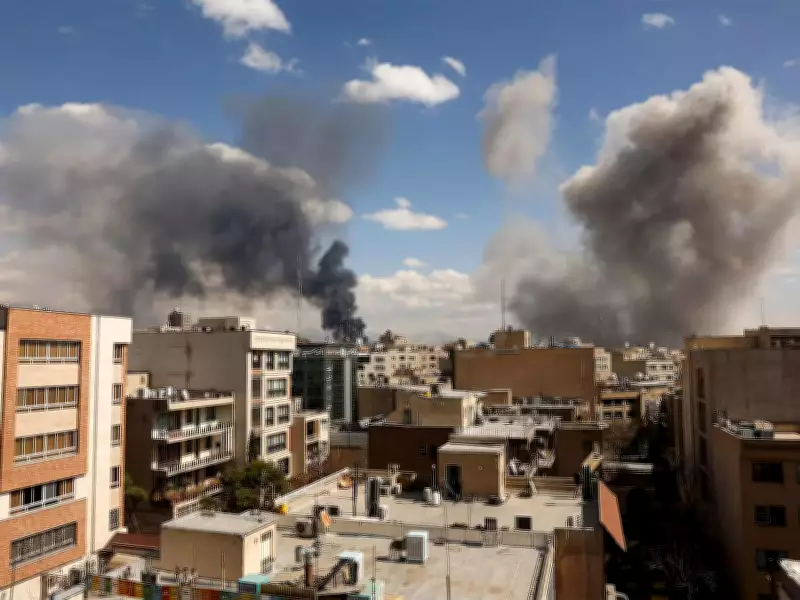
Indian Workers in Gulf Region Grapple with Uncertainty Amid Escalating Middle East Conflict
As tensions continue to boil in the Middle Eastern region, residents and travelers are scrambling to secure outbound flights. However, a significant number of Indian blue-collar workers are opting to remain behind, prioritizing their employment and family support over returning to their homeland.
Salaries Paid but Layoffs Loom as Conflict Prolongs
While salaries are currently being disbursed on schedule, recruitment experts caution that a prolonged conflict could eventually trigger widespread layoffs. Kartik Narayan, CEO of Apna.co, highlighted the financial stakes, noting, "Indian workers in the Gulf earn between Rs 30,000 and Rs 1,00,000 per month, nearly double what they would at home." He added that approximately 65-70% of the nine million Indians in the region are employed in labour-intensive sectors such as construction, oil, and services.
Mandatory Leaves and Declining Demand Signal Growing Concerns
Farhan Azmi, founder of Futurz Staffing Solutions, reported that many workers have been instructed to take mandatory leave as tensions rise. The conflict, which has entered its 18th day, has seen retaliatory strikes on US allies including the UAE, Qatar, Bahrain, and Saudi Arabia. Prashant Pachisia, founder and director of 2COMS Group, observed a decline in labour demand since the conflict began, stating, "Yet workers are not returning as of now; only those in corporate roles are considering returning until normalcy resumes."

Sector-Specific Impacts and Workforce Adjustments
Aditya Mishra, chief executive of CIEL HR, explained that sectors like construction, logistics, shipping, and hospitality could face temporary workforce adjustments if the conflict slows infrastructure projects or disrupts trade and energy flows. Suchita Dutta, executive director of the Indian Staffing Federation, echoed these concerns, warning that worsening conditions might reduce the Indian workforce in Gulf sectors reliant on foreign labour, potentially jeopardizing job security.
Post-Conflict Hiring Surge Anticipated Amid Current Slowdown
Despite the immediate challenges, experts anticipate a potential surge in hiring once the conflict subsides, as many projects are currently on hold. Manmeet Singh, CEO of FirstMeridian Global & InnovSource, noted that the UAE and Saudi Arabia host the largest contingents of Indian workers, followed by Kuwait, Qatar, Oman, and Bahrain. "Many support four to five family members back home, so they are continuing in their roles while monitoring the situation," he emphasized.
Cautious Employers and Reduced Shifts Reflect Broader Economic Strain
Employers are proceeding with caution due to escalating insurance costs, disrupted logistics, and project uncertainties, which have also slowed domestic blue-collar hiring. Singh further highlighted the broader economic impact, revealing, "Export-oriented units focused on the Middle East and Europe, which once ran three shifts, are now operating one or two shifts."