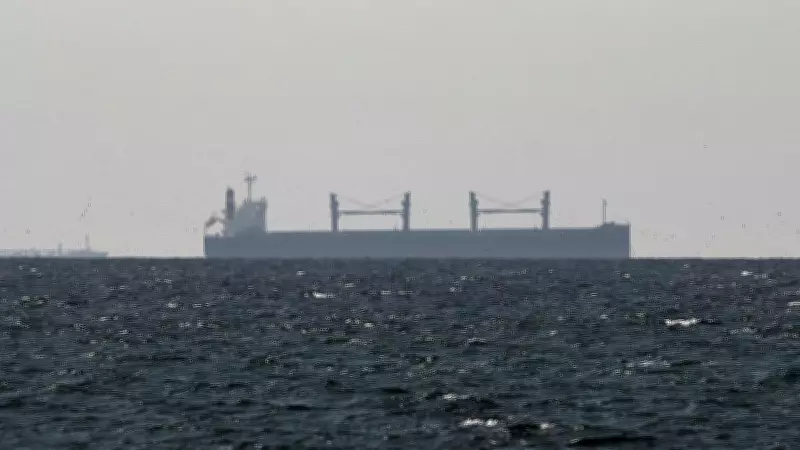
Iran Imposes $2 Million Transit Fee on Tankers in Strait of Hormuz
In a move that could significantly impact global oil shipping, Iran has reportedly levied a transit fee of $2 million on commercial tankers passing through the Strait of Hormuz. This strategic waterway, located between the Persian Gulf and the Gulf of Oman, is one of the world's most critical maritime chokepoints for oil transportation.
Details of the New Transit Fee
According to recent reports, the Iranian authorities have implemented this fee as a mandatory charge for all tankers navigating through the strait. The Strait of Hormuz is a narrow passage that sees approximately one-fifth of the world's oil supply transit daily, making it a vital artery for international energy markets.
The imposition of this fee is seen as a measure by Iran to generate revenue and assert greater control over the maritime route. It comes amid ongoing geopolitical tensions in the Middle East, where Iran has previously threatened to disrupt shipping in response to international sanctions and political pressures.

Potential Impact on Global Shipping and Oil Prices
The $2 million transit fee could lead to increased operational costs for shipping companies and oil traders. This additional expense might be passed on to consumers, potentially contributing to higher oil prices globally. The strait's importance cannot be overstated, as it serves as a primary export route for oil-producing nations in the Gulf region, including Saudi Arabia, the United Arab Emirates, and Qatar.
Shipping industry analysts have expressed concerns that this fee could complicate logistics and increase the risk of delays or disputes. In the past, tensions in the Strait of Hormuz have led to incidents such as tanker seizures and attacks, highlighting the region's volatility.
Regional and International Reactions
While official statements from Iran regarding the fee are still emerging, the move is likely to draw scrutiny from international bodies and major oil-importing countries. The United States and its allies have historically monitored activities in the strait closely, given its strategic significance to global energy security.
This development adds another layer to the complex geopolitical landscape of the Middle East, where Iran's actions often intersect with broader issues such as nuclear negotiations and regional conflicts. Observers are watching to see how other nations and shipping companies will respond to this new financial imposition.
Conclusion
The imposition of a $2 million transit fee by Iran on tankers using the Strait of Hormuz marks a significant shift in maritime policy with far-reaching implications. As the world grapples with energy supply challenges, this move could influence shipping routes, costs, and international relations in the coming months.