

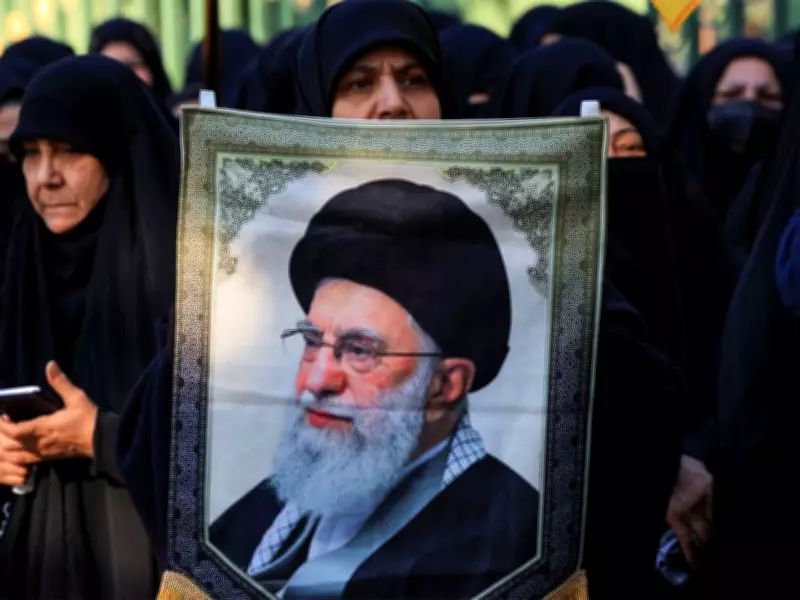
Iran's Assembly of Experts Member Asserts Swift Successor Selection for Khamenei
A prominent member of Iran's Assembly of Experts has made a significant statement regarding the future leadership of the Islamic Republic, indicating that the process to choose a successor to Supreme Leader Ayatollah Ali Khamenei will not be protracted. This declaration comes at a time of heightened speculation and internal debate about the nation's political direction and the mechanisms for ensuring a smooth transition of power.
Details on the Assembly of Experts' Role
The Assembly of Experts, a powerful clerical body in Iran, holds the constitutional authority to appoint, supervise, and, if necessary, dismiss the Supreme Leader. Comprising 88 Islamic scholars elected by the public for eight-year terms, this assembly plays a pivotal role in shaping the country's highest leadership. The member's recent comments underscore the assembly's preparedness to act decisively when the time comes, aiming to maintain stability and continuity in Iran's governance structure.
Context of Khamenei's Leadership and Health Concerns
Ayatollah Ali Khamenei, who has served as Iran's Supreme Leader since 1989, is 85 years old and has faced recurring health issues in recent years, fueling discussions about his potential successor. His leadership has been marked by significant geopolitical events, including nuclear negotiations and regional conflicts, making the succession process a matter of intense domestic and international interest. The assembly member's assurance of a quick selection process suggests that internal preparations are well underway to address any eventualities without delay.

Potential Implications for Iran and Global Relations
The swift selection of a successor could have profound implications for Iran's domestic policies and its relations with other countries. A rapid transition might help prevent power struggles or political instability, but it also raises questions about the transparency and inclusivity of the decision-making process. Observers are closely monitoring how the Assembly of Experts will balance tradition with contemporary challenges, such as economic pressures and social unrest, in choosing a leader who can navigate Iran's complex future.
Reactions and Ongoing Discussions
While the assembly member's statement aims to project confidence, it has sparked varied reactions within Iran and abroad. Some analysts view it as a strategic move to reassure the public and international community, while others caution that the actual process may involve behind-the-scenes negotiations among influential factions. The ongoing discussions highlight the critical nature of leadership succession in a country where the Supreme Leader wields ultimate authority over key state institutions.
In summary, the assertion from Iran's Assembly of Experts member that picking Khamenei's successor will not take long sheds light on the readiness of Iran's clerical establishment to manage a pivotal transition. As the world watches, the efficiency and outcome of this process will likely shape Iran's trajectory for years to come, influencing everything from internal governance to global diplomacy.






