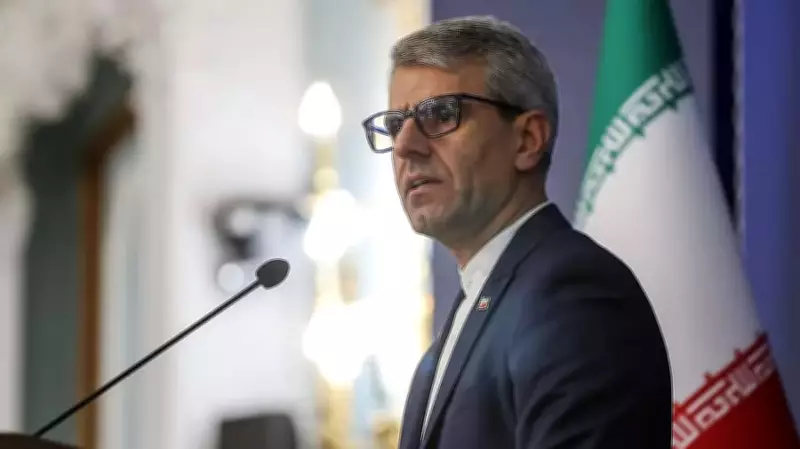
Iran has stated that any security mechanism for the Strait of Hormuz must be agreed upon solely by the coastal states, excluding the United States. Foreign Ministry Spokesperson Esmaeil Baghaei made the remarks on Saturday, emphasizing that regional countries are capable of ensuring security in the strategic waterway without external interference.
Iran's Stance on Hormuz Security
Baghaei stressed that the Islamic Republic of Iran believes the security of the Persian Gulf and the Strait of Hormuz is the responsibility of the littoral states. He rejected any proposal that would grant the US a role in determining the security framework for the region. The spokesperson reiterated that Iran is committed to maintaining stability and freedom of navigation in the Strait, but only through cooperation among the eight coastal nations.
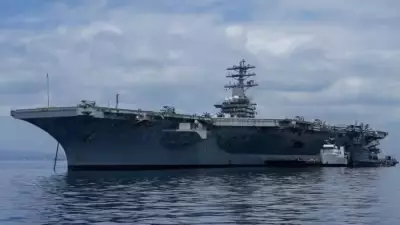
This position comes amid ongoing discussions about a potential international maritime security coalition in the region. Iran has consistently opposed the presence of foreign forces, particularly the US Navy, in the Persian Gulf, arguing that their presence undermines regional stability.

Pakistan-Mediated Talks with the US
Baghaei also confirmed that Iran is focused on finalizing a memorandum of understanding (MoU) through talks mediated by Pakistan between Tehran and Washington. The negotiations aim to address bilateral issues and reduce tensions. The spokesperson did not provide details on the content of the MoU but noted that the process is ongoing and constructive.
The Pakistani-mediated dialogue represents a rare channel of communication between Iran and the US, which have not had formal diplomatic relations since 1980. The talks are seen as a potential step toward de-escalation in the region, though major differences remain, particularly on nuclear and security issues.
Regional Reactions
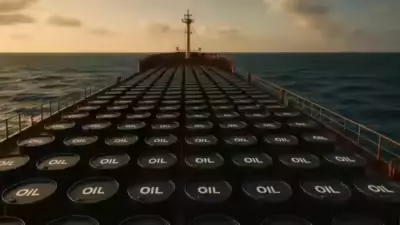
The announcement has drawn mixed reactions from regional states. Some Gulf Arab countries, which have previously expressed concerns about Iran's activities in the Strait, have not yet commented officially. Analysts suggest that Iran's insistence on excluding the US may complicate efforts to establish a unified security framework for the waterway, through which about 20% of the world's oil passes.
Meanwhile, the US has not directly responded to Baghaei's statement. However, Washington has previously advocated for international patrols to ensure freedom of navigation in the Strait, citing incidents of seizures and attacks on commercial vessels by Iranian forces.
Background
The Strait of Hormuz has been a flashpoint for tensions between Iran and the US for decades. In recent years, there have been several confrontations, including the downing of a US drone by Iran in 2019 and attacks on oil tankers. Iran has periodically threatened to close the strait in response to sanctions or military pressure.
The current diplomatic efforts through Pakistan come as Iran seeks to improve its international standing and ease economic pressures from sanctions. The outcome of these talks could have significant implications for global energy markets and regional security.