

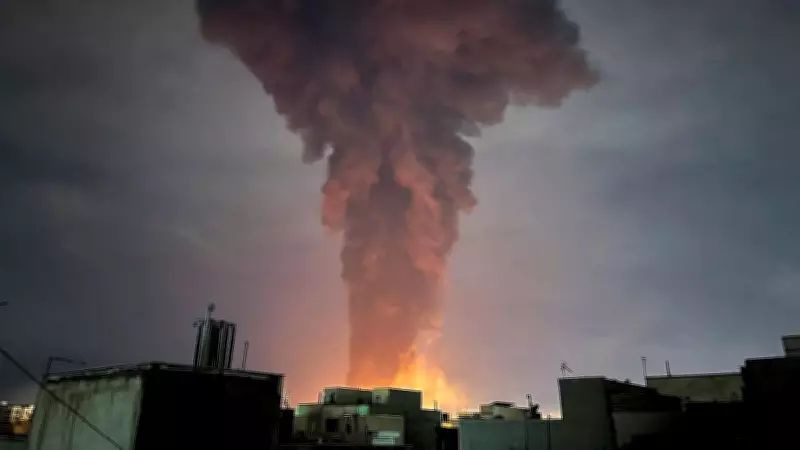
Iran-Israel Tensions Escalate: Live Updates on Middle East Conflict
The Middle East is witnessing a significant escalation in tensions as Iran, Israel, and the United States engage in a volatile standoff. This conflict has triggered widespread concerns over regional stability, with potential implications for global oil markets and international security. Live updates from the region indicate a rapidly evolving situation, marked by military posturing and diplomatic maneuvers.
Key Developments in the Conflict
Recent reports highlight a series of provocative actions and responses among the involved nations. Iran has issued stern warnings regarding the Strait of Hormuz, a critical chokepoint for global oil shipments. This strategic waterway is under heightened scrutiny, with fears that any disruption could lead to an oil crisis, impacting liquefied petroleum gas (LPG) supplies and driving up prices worldwide. The situation is compounded by Iran's military exercises and rhetoric from its leadership, including figures like Mojtaba Khamenei, who are advocating for a strong stance against perceived adversaries.
Israel, on the other hand, has conducted targeted operations in response to threats, emphasizing its readiness to defend its sovereignty. The United States, under the current administration, is closely monitoring the developments, with former President Donald Trump's policies still influencing the regional dynamics. The involvement of the US adds a layer of complexity, as it balances support for allies with efforts to prevent a full-scale war.

Impact on Global Markets and Security
The escalating conflict has already begun to affect global markets, particularly the oil sector. Analysts warn that any major disruption in the Strait of Hormuz could lead to a severe oil shortage, exacerbating existing economic challenges. This potential crisis is drawing attention from international bodies and governments, who are urging de-escalation to avoid broader economic fallout.
In terms of security, the region is on high alert, with increased military presence and intelligence activities. The conflict is not limited to direct confrontations but includes cyber warfare, proxy engagements, and diplomatic pressures. The broader West Asia area is experiencing heightened instability, with neighboring countries closely watching the developments and preparing for possible spillover effects.
Live Updates and Breaking News
As the situation unfolds, live updates provide real-time insights into the conflict:
- Iran has mobilized forces near the Strait of Hormuz, raising alarms over potential blockades.
- Israel reports intercepting drones and missiles, highlighting its defense capabilities.
- The US is deploying naval assets to the region to ensure freedom of navigation.
- Oil prices have surged by over 5% in response to the heightened tensions.
- International calls for restraint are growing, with the United Nations urging dialogue.
This conflict underscores the fragile nature of Middle East geopolitics, where historical animosities and strategic interests collide. The involvement of key global players like the US and Israel adds to the volatility, making it a critical issue for international observers. As events continue to develop, the world watches closely, hoping for a peaceful resolution to prevent further escalation and its devastating consequences.






