

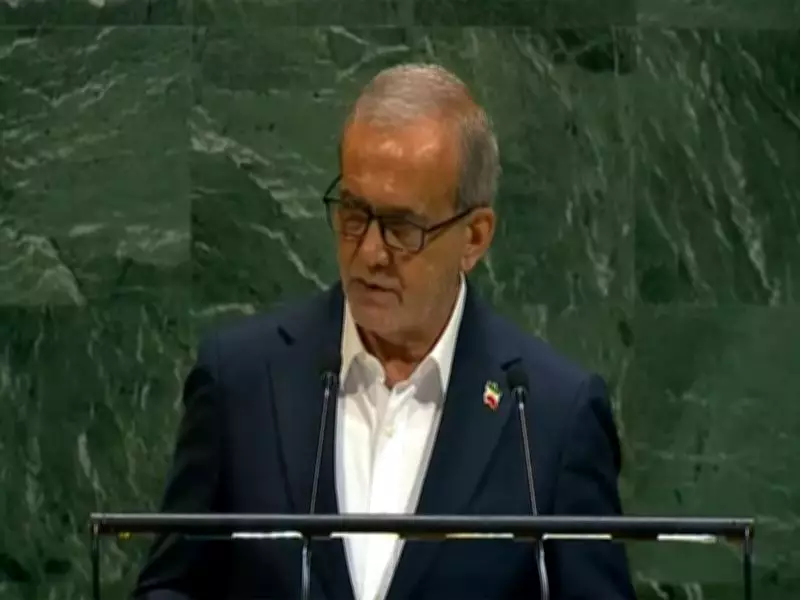
Iran Outlines Three-Point Plan to Cease Hostilities with US and Israel
In a significant diplomatic development, Iran has publicly listed three primary conditions that must be met to end the ongoing conflict with the United States and Israel. This announcement comes amid escalating tensions in the Middle East, with Iran positioning itself as a key player in regional stability efforts.
The Three Conditions for Peace
According to official statements from Iranian authorities, the conditions are as follows:
- An immediate and permanent ceasefire in Gaza: Iran demands that all hostilities in Gaza cease without delay, emphasizing the humanitarian crisis and calling for international intervention to protect Palestinian civilians.
- Lifting of all economic sanctions against Iran: The Iranian government insists that the United States and its allies must remove all sanctions imposed on Iran, which have severely impacted its economy and global trade relations.
- Recognition of Iran's regional security role: Iran seeks formal acknowledgment from the US and Israel of its influence and responsibilities in the Middle East, including its right to defend its interests and allies in the region.
Context and Regional Implications
This move by Iran is seen as a strategic effort to de-escalate tensions while asserting its demands on the global stage. The conditions reflect Iran's long-standing grievances and its desire to reshape regional dynamics. Analysts note that the call for a Gaza ceasefire aligns Iran with other Arab nations and international bodies advocating for peace in the conflict between Israel and Hamas.

The lifting of sanctions is a critical point, as Iran's economy has been under pressure for years, affecting its oil exports and financial systems. By linking this to the conflict, Iran aims to leverage the situation for economic relief.
International Reactions and Future Prospects
Initial responses from the US and Israel have been cautious, with officials stating they are reviewing Iran's proposals. The United Nations and other international organizations have welcomed the dialogue but stressed the need for verifiable actions from all parties involved.
Experts suggest that while these conditions present a framework for negotiations, significant hurdles remain, including trust deficits and conflicting geopolitical interests. The outcome could influence not only Iran-US-Israel relations but also broader Middle East peace efforts.
In summary, Iran's listing of three conditions marks a pivotal moment in the conflict, offering a potential path to de-escalation if met with reciprocal steps from the US and Israel. The international community watches closely as these developments unfold.






