

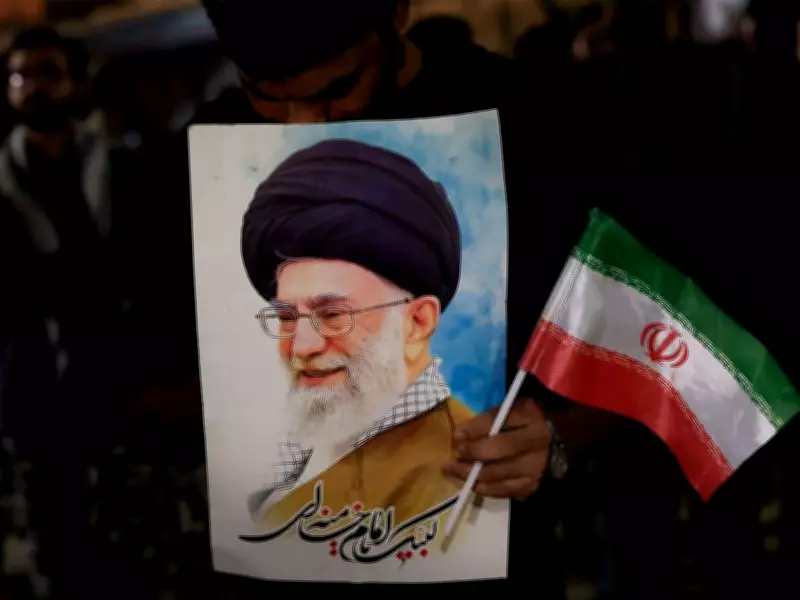
Iranian Media Claims Supreme Leader Killed in Coordinated Strikes
In a shocking development that has sent shockwaves across the Middle East and beyond, Iranian state media outlets have reported the death of Supreme Leader Ayatollah Ali Khamenei. According to these unverified reports, Khamenei was killed in a series of targeted strikes that are being attributed to a coordinated military operation involving Israel and the United States. The news, if confirmed, would mark a seismic shift in the geopolitical landscape of the region, potentially triggering unprecedented levels of instability and conflict.
Details of the Alleged Attack Emerge
Initial reports from Iranian media sources suggest that the strikes occurred at a secure location where Ayatollah Khamenei was reportedly present. The attacks are described as highly precise, utilizing advanced munitions that caused significant damage. While specific details regarding the timing and exact location remain unclear, the narrative points to a well-planned operation aimed at eliminating Iran's top religious and political figure. The involvement of both Israeli and US forces is highlighted, though neither country has officially commented on these allegations at this time.
Immediate Reactions and Regional Implications
The announcement has sparked immediate and intense reactions within Iran and internationally. Inside the country, there are reports of heightened security measures and public gatherings, with state television urging calm while vowing a strong response. Regionally, allies and adversaries alike are closely monitoring the situation, as the potential for retaliatory actions looms large. Analysts warn that this event could escalate existing tensions into a full-scale confrontation, affecting global oil markets and international diplomacy.

Historical Context and Ongoing Conflicts
This incident occurs against a backdrop of long-standing animosity between Iran, Israel, and the United States. Recent years have seen numerous skirmishes, cyber-attacks, and proxy wars across the Middle East, with Iran's nuclear program and regional influence being central points of contention. The reported killing of Ayatollah Khamenei, if true, represents a dramatic escalation that could redefine these conflicts. It raises critical questions about the future of Iranian leadership and the potential for broader military engagements.
Verification Challenges and International Response
As of now, the reports remain unconfirmed by independent sources or official statements from the involved nations. The Iranian government has not released an official statement beyond the initial media broadcasts, leading to speculation and uncertainty. International bodies, including the United Nations, are likely to call for restraint and verification. The global community is bracing for potential fallout, with diplomatic channels expected to be activated urgently to prevent further escalation.
Potential Scenarios Moving Forward
Looking ahead, several scenarios could unfold based on the veracity of these reports. If confirmed, Iran might initiate retaliatory strikes against Israeli or US interests, possibly through proxy forces in the region. Alternatively, internal power struggles within Iran could emerge, affecting its domestic stability. The international response will be crucial, with key players like Russia and China likely to weigh in on the situation. This event underscores the fragile nature of Middle Eastern politics and the high stakes involved in such conflicts.






