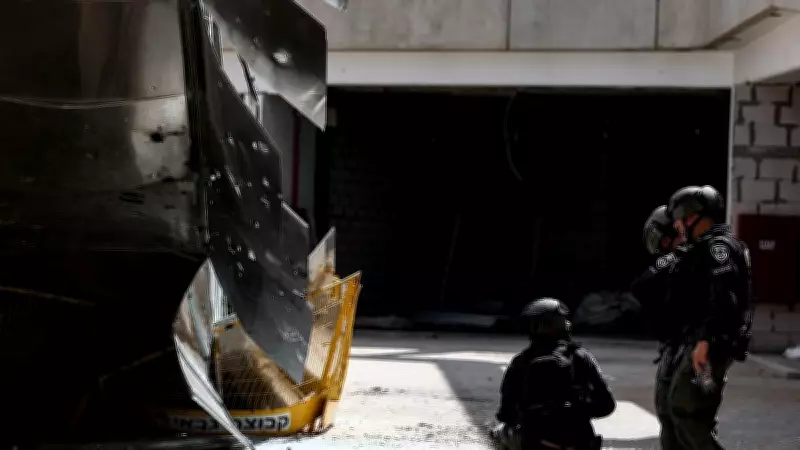
Iranian Missile Strike in Israel Claims a Life, Pushing War Death Toll to 11
A deadly Iranian missile attack has struck Israel, resulting in the tragic loss of one life. This incident marks a significant escalation in the ongoing hostilities between the two nations, with the overall death toll from the conflict now rising to 11 individuals. The attack underscores the volatile and dangerous situation unfolding in the Middle East, where tensions have been simmering for an extended period.
Details of the Attack and Its Immediate Aftermath
The missile launch from Iran targeted a specific location within Israel, though precise details about the exact site or the type of missile used remain under investigation by authorities. Emergency services responded swiftly to the scene, but unfortunately, one person was confirmed dead as a direct result of the strike. This fatality adds to the growing number of casualties reported since the conflict began, highlighting the severe human cost of the warfare.
Regional tensions have been exacerbated by this attack, with Israeli officials likely to consider retaliatory measures. The international community is closely monitoring the situation, as any further escalation could have broader implications for stability in the Middle East and beyond.

Escalating Conflict and Rising Death Toll
This latest incident brings the total death toll from the war to 11, indicating a steady increase in fatalities as hostilities persist. The conflict, which has involved various military engagements and skirmishes, shows no signs of abating, with both sides continuing to exchange fire and rhetoric. The rising death toll is a grim reminder of the devastating impact of armed conflicts on civilian and military populations alike.
Analysts suggest that the missile attack could represent a strategic move by Iran to assert its military capabilities or respond to perceived provocations. However, such actions only serve to deepen the cycle of violence, making diplomatic resolutions more challenging to achieve.
Broader Implications for Middle East Stability
The ongoing war between Iran and Israel is part of a larger pattern of regional instability that affects neighboring countries and global geopolitics. Key points to consider include:
- Increased risk of wider conflict: The missile attack raises concerns about the potential for the war to spill over into other areas, drawing in additional actors.
- Humanitarian crisis: As death tolls rise, there is growing urgency for humanitarian aid and efforts to protect civilians caught in the crossfire.
- International diplomacy: World leaders may need to intensify mediation efforts to prevent further escalation and seek a peaceful resolution.
In summary, the Iranian missile attack in Israel, resulting in one death and pushing the war death toll to 11, highlights the critical need for de-escalation and dialogue in the Middle East. The situation remains fluid, with ongoing developments likely to shape the region's future trajectory.