Iran's Conventional Navy Severely Weakened by Recent Military Strikes
Recent military operations have inflicted substantial damage on Iran's regular naval forces, known as The Islamic Republic of Iran Navy. This branch of the Iranian military operates with conventional warships and has borne the brunt of the attacks, leading to a notable reduction in its operational capacity. The strikes have targeted key assets and infrastructure, undermining Iran's ability to project power through traditional maritime means.
Revolutionary Guard Navy Presents Asymmetric Warfare Threat
Despite the setbacks to the regular navy, Iran maintains a formidable second naval force under the command of the Islamic Revolutionary Guard Corps (IRGC). This separate entity specializes in asymmetric warfare tactics, which include the use of fast attack craft, naval mines, and anti-ship missiles. These capabilities are designed to exploit vulnerabilities in larger, more conventional fleets, posing a persistent and adaptable challenge in regional waters.
US Military Confronts Ongoing Strait of Hormuz Difficulties
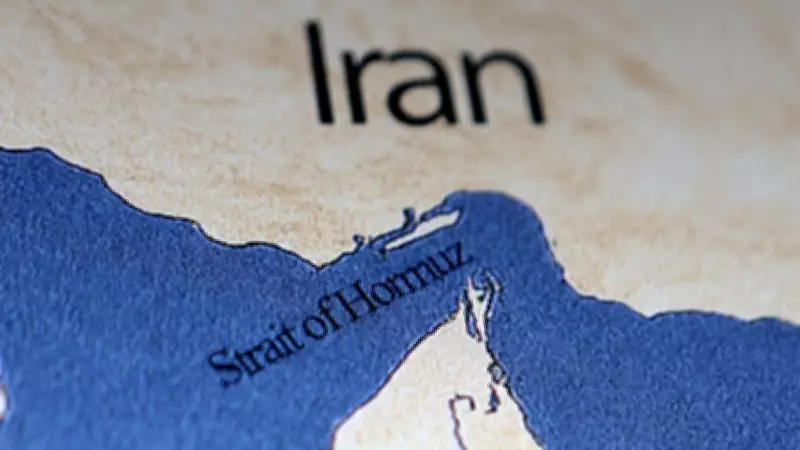
The United States, while benefiting from the weakening of Iran's conventional navy, continues to face significant challenges in securing the Strait of Hormuz. This critical chokepoint for global oil shipments remains a hotspot for potential conflict, as Iran's IRGC navy can leverage its asymmetric strategies to disrupt maritime traffic. The situation underscores the complexity of military engagements in the region, where technological superiority does not always guarantee operational ease.

Key points to consider:
- The regular Iranian navy has seen a marked decline in effectiveness due to targeted strikes.
- Iran's IRGC navy remains a potent threat through unconventional warfare methods.
- The US must navigate a delicate balance in the Strait of Hormuz, where asymmetric threats persist.
This dynamic highlights the evolving nature of naval conflicts in the Middle East, where traditional and irregular forces intersect to create a multifaceted security environment. The ongoing situation demands continuous assessment and adaptive strategies from international actors involved in the region.