Mass Mourning and Succession
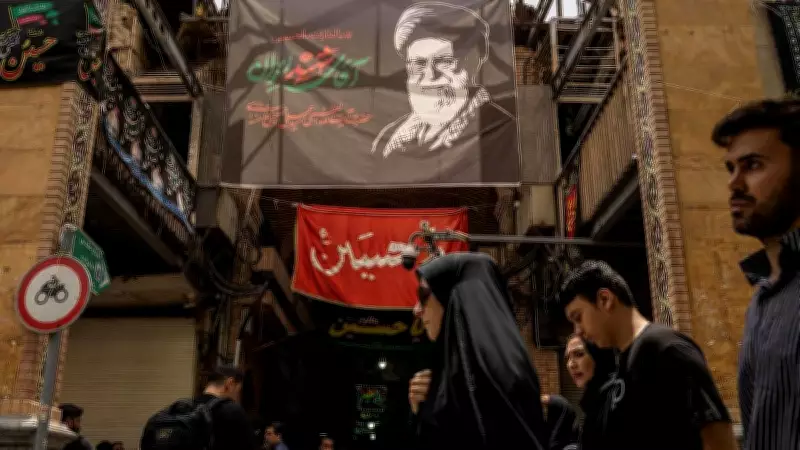
Iran prepares to bury slain Supreme Leader Ayatollah Ali Khamenei with a week of mass mourning, according to Reuters. Khamenei's death and the succession of his son Mojtaba as Iran's third supreme leader, in a conflict with its greatest foes, mark an epochal moment in the Islamic Republic's 47-year history.
Details of the Mourning Period
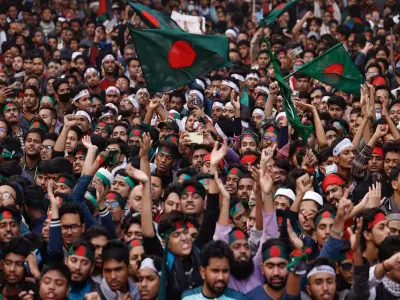
The week-long mourning is expected to draw millions of mourners across the country, with processions and ceremonies planned in major cities. The funeral will be held in Tehran, followed by burial at a site yet to be disclosed. State media announced that flags will fly at half-mast and public gatherings will be organized to honor the late leader.
Succession and Political Implications
Mojtaba Khamenei, 56, has been widely seen as his father's chosen successor, having held significant influence in Iran's political and religious institutions. His ascension comes at a time of heightened tensions with the United States and Israel, as well as internal challenges from protests and economic sanctions. Analysts say the transition could either stabilize or further destabilize the region, depending on Mojtaba's policies.

Impact on Regional Conflicts
Khamenei's death occurred amid ongoing conflicts involving Iran's proxies in Yemen, Syria, and Lebanon. The mourning period is expected to rally support for the regime, but also poses risks of power struggles within the clerical establishment. The international community, including the UN, has called for restraint and a peaceful transition.