

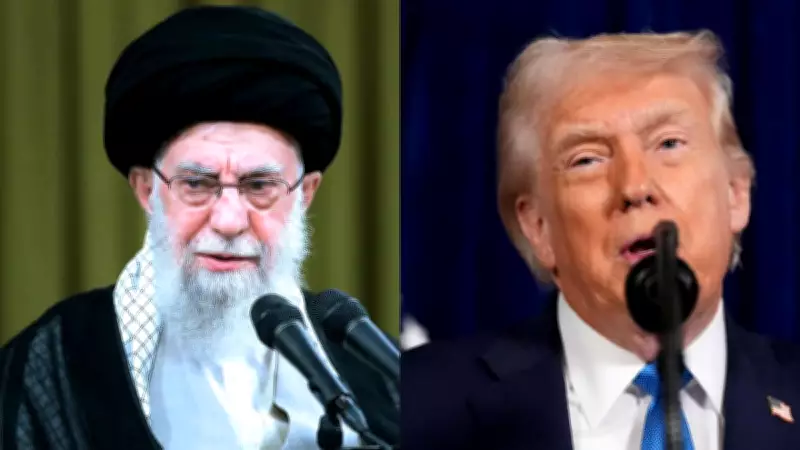
Iran Stands Firm on Uranium Enrichment Amid Growing US Tensions
In a bold move that has heightened global concerns, Iran has categorically refused to halt its uranium enrichment program. The announcement comes as diplomatic strains with the United States intensify, marking a significant escalation in the ongoing nuclear standoff.
Defiant Stance on Nuclear Activities
Iranian officials have made it clear that they will not bow to external pressure regarding their uranium enrichment efforts. This enrichment is a critical component of the nation's nuclear program, which Tehran insists is solely for peaceful purposes such as energy production and medical research. However, international observers remain wary, citing potential military applications that could destabilize the region.
The refusal to stop enrichment activities underscores Iran's determination to maintain sovereignty over its nuclear ambitions. This stance is seen as a direct challenge to US-led efforts to curb nuclear proliferation in the Middle East.

Warning Issued to the United States
Alongside its refusal, Iran has issued a stern warning to the United States, cautioning against any aggressive actions or sanctions. The warning highlights the growing animosity between the two nations, with Iran accusing the US of interfering in its internal affairs and undermining regional stability.
This warning is not merely rhetorical; it reflects Iran's preparedness to respond to perceived threats. Analysts suggest that such posturing could lead to further diplomatic isolation or even military confrontations if tensions are not de-escalated through dialogue.
Escalating Geopolitical Tensions
The situation has contributed to a volatile atmosphere in the Middle East, with neighboring countries and global powers closely monitoring developments. Key factors driving the tensions include:
- Historical Antagonisms: Long-standing disputes between Iran and the US over nuclear policies and regional influence.
- Regional Proxy Conflicts: Iran's involvement in various Middle Eastern conflicts, which often pits it against US allies.
- International Sanctions: Ongoing economic pressures aimed at forcing Iran to comply with nuclear agreements.
As tensions grow, there are fears that this impasse could spill over into broader conflicts, affecting global energy markets and security dynamics.
Implications for Global Diplomacy
Iran's unwavering position poses significant challenges for international diplomacy. Efforts to revive nuclear deals or negotiate new agreements may be hampered by this latest development. The international community, including organizations like the United Nations, faces the difficult task of balancing non-proliferation goals with respect for national sovereignty.
In summary, Iran's refusal to stop uranium enrichment and its warning to the US signal a hardening of positions that could have far-reaching consequences. As the world watches, the need for constructive engagement and conflict resolution becomes ever more urgent to prevent further escalation in an already tense region.






