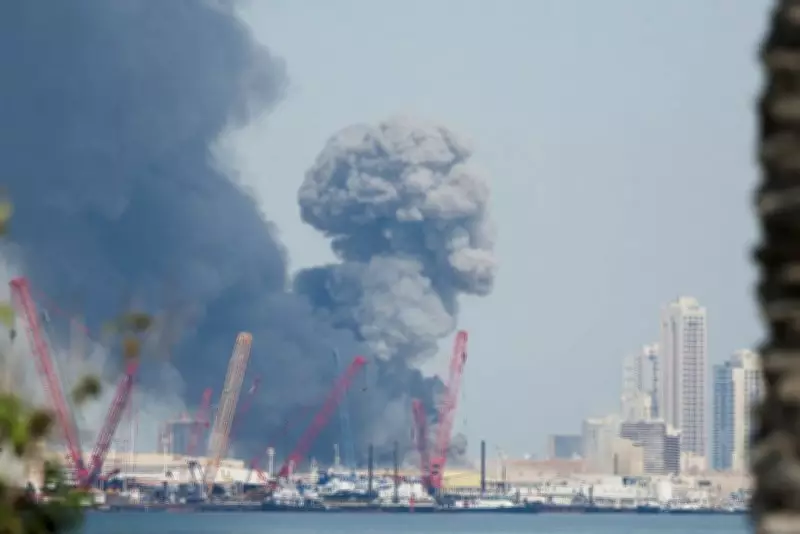
Iran Closes Strait of Hormuz Amid Escalating Regional Tensions
In a move that has sent shockwaves through global energy markets, Iran has announced the closure of the Strait of Hormuz, a vital maritime passage for international oil shipments. This decision comes amid heightened turmoil and geopolitical friction in the Middle East, directly threatening the flow of approximately one-fifth of the world's oil supply.
Strategic Chokepoint Under Lockdown
The Strait of Hormuz, located between Iran and Oman, serves as the only sea route from the Persian Gulf to the open ocean. It is a critical artery for global commerce, with an estimated 21 million barrels of oil passing through daily, primarily from producers like Saudi Arabia, Iraq, the United Arab Emirates, and Kuwait. Iran's unilateral shutdown effectively blocks this passage, citing security concerns and regional instability as primary justifications.
This action represents a significant escalation in Iran's regional strategy, leveraging its geographic position to exert pressure amid ongoing conflicts and diplomatic standoffs. Analysts warn that a prolonged closure could trigger severe disruptions, leading to potential oil price spikes and economic repercussions worldwide.

Global Reactions and Economic Implications
International responses have been swift and concerned. Major oil-importing nations, including India, China, Japan, and South Korea, are closely monitoring the situation, as any sustained blockage could strain their energy security and inflate costs. The United States and European allies have condemned the move, labeling it a provocative act that undermines maritime freedom and global stability.
Energy experts highlight the immediate risks:
- Oil prices have already surged in anticipation of supply shortages.
- Shipping companies are rerouting vessels, increasing transit times and costs.
- Stock markets in energy-dependent economies are experiencing volatility.
The closure also raises fears of military confrontations, as naval forces from various nations patrol the region to ensure safe passage. Historical precedents, such as tensions during the Iran-Iraq War and more recent incidents, underscore the strait's vulnerability to geopolitical flashpoints.
Background and Regional Context
This development occurs against a backdrop of persistent unrest in the Middle East, involving proxy conflicts, nuclear negotiations, and territorial disputes. Iran's decision is widely interpreted as a strategic response to external pressures, including sanctions and diplomatic isolation. By controlling the Strait of Hormuz, Tehran aims to assert its influence and negotiate from a position of strength.
The implications extend beyond oil, affecting liquefied natural gas (LNG) shipments and general maritime trade. Countries in the Gulf Cooperation Council (GCC) are exploring alternative export routes, such as pipelines, but these options remain limited in capacity and feasibility.
As the situation unfolds, global leaders are urging de-escalation and diplomatic solutions to prevent a full-blown crisis. The international community remains on high alert, with the Strait of Hormuz's status poised to shape energy markets and geopolitical dynamics in the coming weeks.