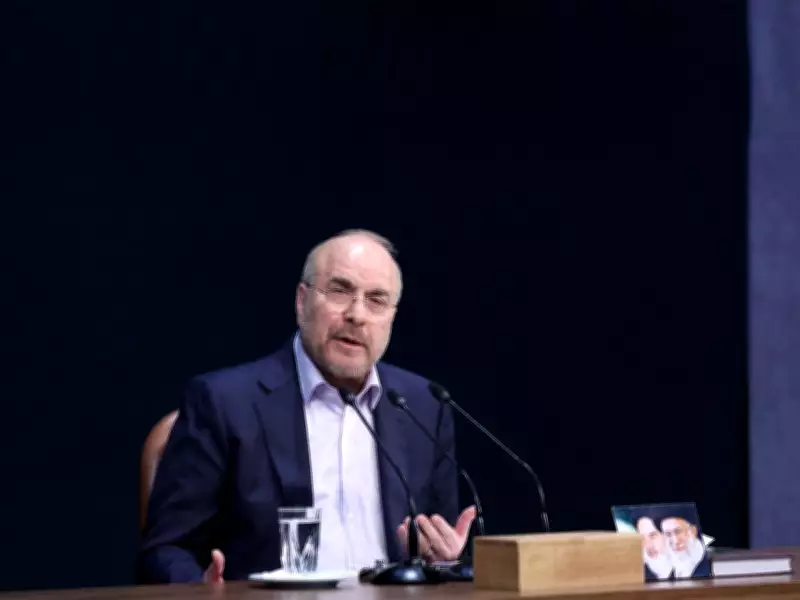
Iranian Parliament Speaker Mohammad Bagher Ghalibaf has categorically stated that Iran will not permit International Atomic Energy Agency (IAEA) inspectors to access nuclear sites that have been bombed and damaged. He emphasized that this restriction is mandated by laws passed by both the parliament and the Supreme National Security Council.
Ghalibaf's Statement on IAEA Access
In a televised interview with IRIB, Ghalibaf said, "Talk of IAEA inspectors' access to bombed sites is false." He explained, "We ourselves passed a law in the parliament; the Supreme National Security Council has also passed a law. According to this law, access to sites that have been bombed and damaged is not allowed under any circumstances. This is the law."
He further clarified that Iran does not grant any privileges beyond the access levels determined by the Supreme National Security Council. "According to the law, the Supreme National Security Council is responsible for determining the level of access, and it has also specified its framework," he added.

Current IAEA Access Limited to Two Sites
Ghalibaf revealed that currently, IAEA inspectors only have access to two facilities: the Bushehr power plant and the Tehran reactor. "Access has only been limited to that extent, and we are committed to that," he said.
Defense of Zurich Talks
Defending his participation in talks in Switzerland, Ghalibaf said the negotiations had helped advance agreed conditions. "In the Zurich [The Lake Lucerne Summit] talks, the release of assets was accelerated, and sanctions were suspended. If we hadn't gone, they wouldn't have said, 'Ghalibaf, what happened to the conditions?'" he said.
Referring to a message from Iran's Supreme Leader (Ayatollah Mojtaba Khamenei), Ghalibaf said, "In his message, the Leader of the Revolution tactfully emphasised that he and the people are waiting for the fulfilment of the terms of the understanding. What should I do in these circumstances? Should I not pursue the terms?!"
Diplomacy and Military Strength
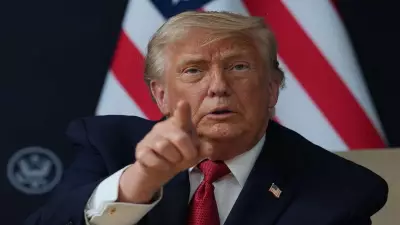
Ghalibaf rejected criticism of his approach, arguing that diplomacy and military strength should go hand in hand. "There are those who help the country neither in diplomacy nor in war, but I stand to both fight and conduct diplomacy," he said. He added, "Don't bother me any more, and don't repeat Trump's words, and let the people be at peace and proud of the Islamic Republic."
Regional and Domestic Priorities
On regional issues, Ghalibaf reiterated Iran's support for Lebanon and said, "The revenge of our martyred Imam is the liberation of Jerusalem, and for that we must protect Lebanon, and revenge cannot be sought with slogans." He added, "Our enemy understands nothing but the language of power, and we must deal with him with power."
Addressing domestic priorities, Ghalibaf said his responsibility was to serve all Iranians and emphasised economic stability, security and national unity. "I have a duty to serve all Iranian people, regardless of their tastes or religions," he said. "We have a duty to solve economic problems and ensure the country's security," he added. "Today, unity is more important to us than anything else," Ghalibaf said. "The sacred unity around the Leader of the Revolution has meaning, and there is no tent other than the tent of the guardianship, the tent of the Commander of the Faithful," he added.