Iran Accuses US of Sinking Unarmed Warship in International Waters
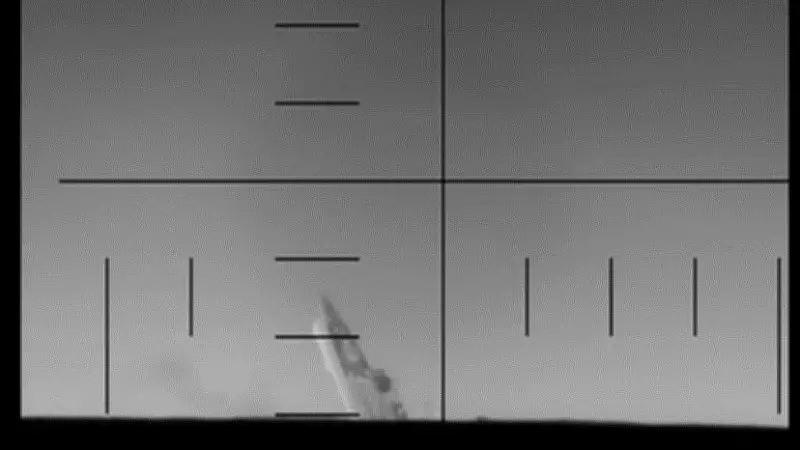
An Iranian official has made a serious allegation against the United States, claiming that a recent attack by US forces resulted in the sinking of an Iranian warship that was completely unarmed. According to the official, this military action constitutes a clear and direct violation of established international law and maritime norms. The incident has escalated tensions in the already volatile Middle East region, raising concerns about potential broader conflicts.
Details of the Incident and the Warship's Mission
The Iranian warship was reportedly returning to its home port after successfully participating in the Milan multilateral naval exercise, which was hosted by India. This significant international naval gathering involves multiple countries and focuses on enhancing cooperation, interoperability, and security in maritime domains. The attack occurred in the early hours of Wednesday, March 4, 2026, catching the Iranian vessel by surprise as it was transiting through international waters.
The Iranian official emphasized that the ship was not carrying any offensive weapons or ammunition at the time of the attack, making the US action particularly egregious under international legal frameworks. This detail is crucial because attacking an unarmed naval vessel engaged in peaceful transit could be viewed as an act of aggression rather than a legitimate military engagement.

International Law Implications and Regional Reactions
International maritime law, including the United Nations Convention on the Law of the Sea (UNCLOS), generally protects the right of innocent passage for vessels in international waters. The sinking of an unarmed warship returning from a cooperative exercise challenges these principles and could set a dangerous precedent. Legal experts are likely to scrutinize whether the US had sufficient justification under self-defense or other provisions of international law.
The incident has drawn immediate attention from global powers and regional actors. Israel, a key US ally and longtime adversary of Iran, has not yet commented publicly, but the situation may influence its strategic calculations in the region. Other Middle Eastern nations are monitoring developments closely, as any escalation could impact shipping lanes and regional stability.
Background and Broader Context
This event occurs against a backdrop of ongoing tensions between Iran and the United States, which have included previous naval confrontations, sanctions disputes, and diplomatic stalemates. The Milan naval exercise, hosted by India, was intended to foster goodwill and military diplomacy among participating nations, making the subsequent attack particularly ironic and damaging to international trust.
Iranian authorities are expected to pursue diplomatic channels, possibly involving the United Nations, to address what they describe as an unlawful act. The US government has not issued an official statement at this time, but future responses will be critical in determining whether this incident leads to de-escalation or further military posturing.
As investigations proceed, the international community awaits more details regarding the circumstances of the attack, the evidence supporting Iran's claims of the ship being unarmed, and the legal justifications that the United States may present. This development underscores the fragile nature of maritime security and the importance of adhering to international legal standards to prevent unintended conflicts.