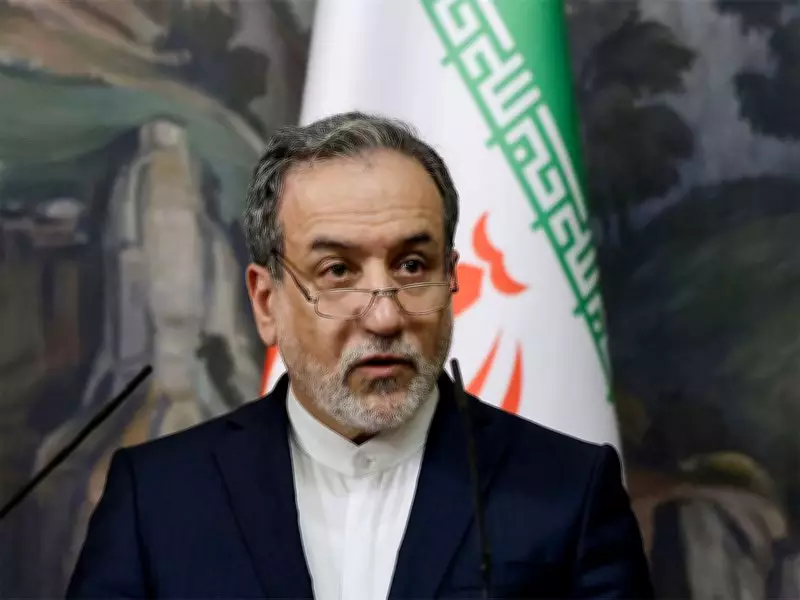
Iranian Foreign Minister Rules Out Direct Talks with United States
In a significant development, Iranian Foreign Minister Syed Abbas Araqchi has declared that direct negotiations with the United States are no longer on the table. This announcement marks a notable shift in Iran's foreign policy approach, as the country moves away from diplomatic engagement with its long-standing adversary.
Policy Shift Amid Ongoing Tensions
The statement comes amid heightened tensions between Iran and the United States, which have persisted over issues such as nuclear agreements, regional influence, and economic sanctions. Araqchi emphasized that Iran's current stance reflects a broader reassessment of its diplomatic strategies, prioritizing other avenues over direct dialogue with Washington.
This decision underscores the deepening rift between the two nations, with Iran now focusing on strengthening alliances with other global powers and regional partners. The foreign minister highlighted that previous attempts at negotiation have not yielded the desired outcomes, leading to this firm position.

Implications for Regional and Global Diplomacy
The move is expected to have far-reaching implications for Middle Eastern stability and international relations. By closing the door on talks with the U.S., Iran may seek to bolster its position through alternative diplomatic channels, potentially involving countries like China, Russia, or European nations.
Analysts suggest that this policy shift could complicate efforts to de-escalate conflicts in the region, such as those in Syria or Yemen, where both Iran and the U.S. have vested interests. It also raises questions about the future of the Joint Comprehensive Plan of Action (JCPOA), the nuclear deal from which the U.S. withdrew in 2018.
Background and Context
Iran and the United States have a history of strained relations, dating back to the 1979 Iranian Revolution. Recent years have seen fluctuations in diplomatic engagement, with periods of negotiation interspersed with confrontations. Araqchi's announcement signals a hardening of Iran's position, possibly in response to perceived intransigence from the U.S. side.
This development is likely to be closely monitored by global stakeholders, as it could influence geopolitical dynamics in the Middle East and beyond. The Iranian foreign minister's statement reinforces the country's commitment to a more assertive foreign policy, independent of U.S. influence.