

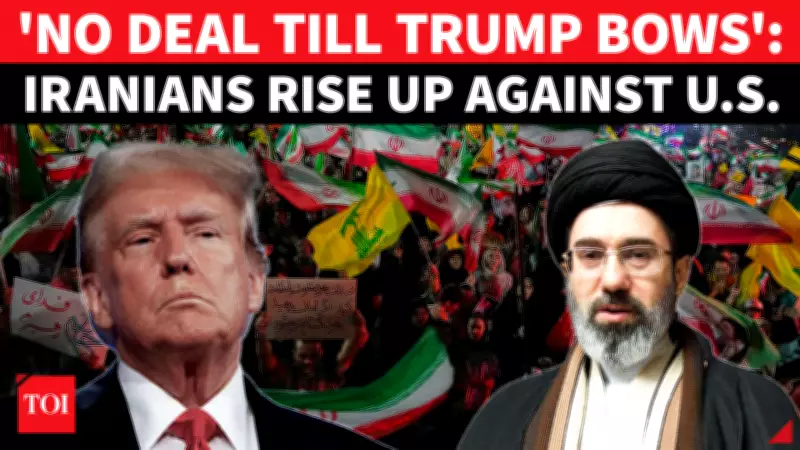
As reports of a potential U.S.-Iran agreement gain momentum, reactions on the streets of Tehran reveal a nation deeply divided over the prospect of peace. While some residents welcome the possibility of sanctions relief, economic recovery, and an end to months of tensions, others insist that Iran must first respond to what they view as Israeli aggression before any reconciliation can take place.
Diplomatic Efforts Intensify
The public debate comes as diplomatic efforts intensify behind the scenes, with Pakistan Prime Minister Shehbaz Sharif claiming a deal could be finalized within 24 hours. Iranian Foreign Minister Abbas Araghchi has also indicated that negotiations over Iran's nuclear program could enter a critical implementation phase after an initial agreement is signed.
Divergent Views on the Streets
Many Iranians express distrust toward U.S. President Donald Trump, yet see a potential deal as a way to alleviate economic hardship. Others, however, argue that any agreement must address what they perceive as Israeli provocations. The divide reflects broader tensions within Iranian society between those prioritizing economic relief and those emphasizing national pride and security.

The latest developments come amid a series of dramatic incidents, including reports of a chilling discovery near Iran's FIFA squad training base, revelations about Iran's uranium stockpile, and confrontations involving U.S.-built missile hunters. These events have further polarized public opinion and complicated the path to a comprehensive agreement.






