Iran's Strategic Posturing Amid Escalating Regional Tensions
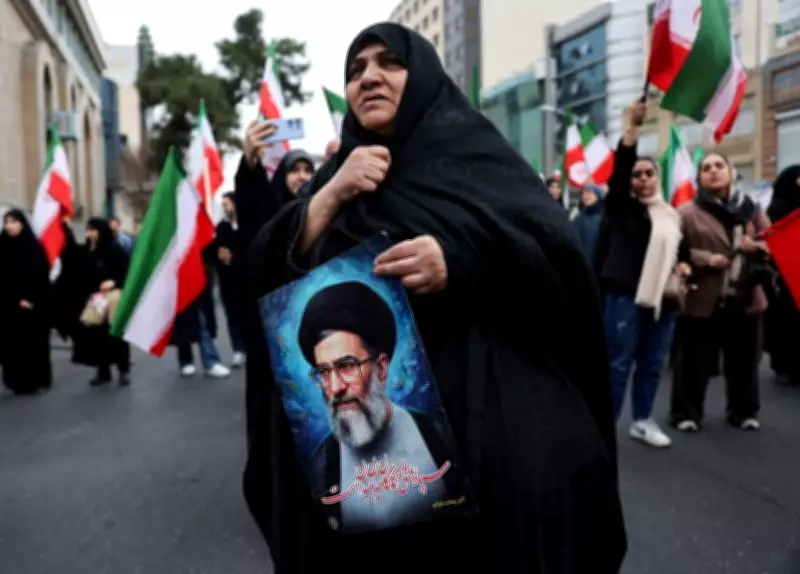
In the wake of recent military strikes attributed to the United States and Israel, Iran has adopted a notably defiant and resilient public stance. This response highlights the nation's strategic positioning within the volatile landscape of Middle Eastern geopolitics. The Iranian government, through official statements and media channels, has projected an image of strength and determination, emphasizing its capacity to withstand external pressures and retaliate if necessary.
Analyzing Iran's Public Response to External Aggression
Iran's leadership has consistently framed these incidents as acts of aggression, leveraging them to bolster domestic unity and nationalist sentiment. By portraying itself as a victim of foreign intervention, Iran aims to galvanize public support and reinforce its ideological narrative against Western and Israeli influence in the region. This approach serves multiple purposes, including diverting attention from internal challenges and solidifying its role as a key player in regional conflicts.
The broader implications of Iran's stance extend beyond mere rhetoric. Military analysts suggest that Iran's response is carefully calibrated to signal its readiness for confrontation while avoiding actions that could trigger a full-scale war. This balancing act involves showcasing military capabilities, such as missile tests and naval exercises, without escalating to direct conflict. The strategy underscores Iran's long-term objectives of expanding its influence in the Middle East, particularly through proxy forces in countries like Syria, Lebanon, and Yemen.

Regional and Global Reactions to Iran's Defiance
Neighboring countries and global powers are closely monitoring Iran's actions, with reactions ranging from cautious support to outright condemnation. Some regional allies view Iran's defiance as a necessary counterbalance to US and Israeli dominance, while others express concerns about destabilization and the risk of broader conflict. The international community, including organizations like the United Nations, has called for de-escalation, highlighting the potential humanitarian and economic fallout from prolonged tensions.
Economic factors also play a crucial role in this dynamic. Iran's ability to maintain its brave front is partly dependent on its resilience to sanctions and its trade relationships with countries like China and Russia. These economic ties provide a buffer against isolation, enabling Iran to sustain its military and political maneuvers despite external pressures.
Future Prospects and Strategic Considerations
Looking ahead, Iran's strategy is likely to involve a mix of diplomatic overtures and military posturing. Key elements to watch include:
- Diplomatic engagements: Iran may seek to negotiate from a position of strength, leveraging its defiance to secure concessions in nuclear talks or regional agreements.
- Proxy warfare: Continued support for allied groups across the Middle East, using asymmetric tactics to challenge adversaries without direct confrontation.
- Domestic resilience: Efforts to maintain public morale and economic stability, crucial for sustaining long-term resistance against external threats.
In conclusion, Iran's brave front against US-Israel strikes is a multifaceted strategy aimed at preserving national sovereignty, enhancing regional influence, and navigating complex international dynamics. As tensions persist, the world watches closely to see how this bold stance will shape the future of Middle Eastern politics and global security.