

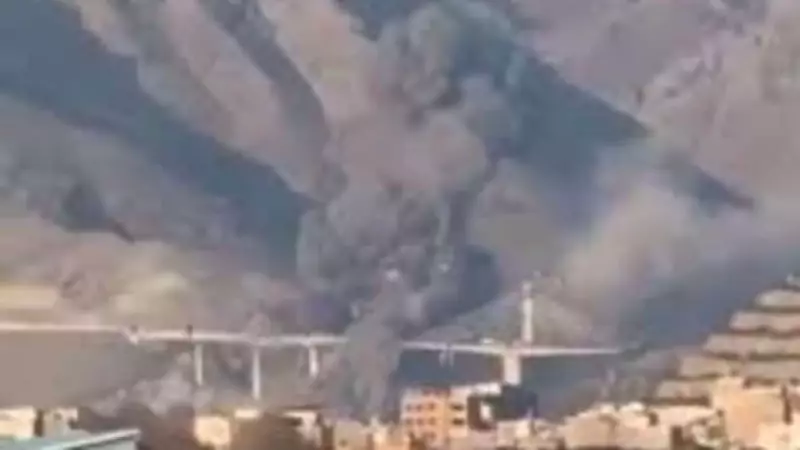
Iran Retaliates with Hit List of 8 Gulf Bridges After US Destroys Key B1 Bridge
In a significant escalation of regional tensions, Iran has publicly released a hit list targeting eight strategic bridges across the Gulf region. This provocative move comes as a direct response to the recent destruction of Iran's largest B1 bridge by United States forces. The development marks a dangerous new phase in the ongoing geopolitical strife in the Middle East, raising alarms about potential infrastructure warfare and broader conflict.
Background: The Destruction of the B1 Bridge
The catalyst for this escalation was the targeted demolition of Iran's B1 bridge, a critical infrastructure asset that served as a major transportation and logistical hub. US authorities confirmed the operation, citing the bridge's alleged use for military and illicit activities that threatened regional security. The destruction of this bridge, described as Iran's biggest and most important, has dealt a severe blow to the country's connectivity and economic operations, prompting a swift and aggressive response from Tehran.
Iran's Retaliatory Hit List
In retaliation, Iranian officials have unveiled a detailed hit list identifying eight key bridges in the Gulf area. These bridges are strategically located in neighboring countries and are vital for trade, military movements, and daily civilian life. The list includes:

- Major crossings in Saudi Arabia
- Critical links in the United Arab Emirates
- Essential bridges in Qatar and Bahrain
- Other significant structures in Kuwait and Oman
Iran has framed this action as a necessary defensive measure, warning that any further aggression will result in the targeting of these infrastructures. The move is seen as a clear message to the US and its allies in the region, emphasizing Iran's capability and willingness to engage in asymmetric warfare.
Implications for Regional Stability
The release of this hit list has sent shockwaves through the Gulf region, with governments and security agencies on high alert. Analysts warn that targeting such critical infrastructure could lead to:
- Economic Disruption: The destruction of these bridges would severely hamper trade routes and supply chains, impacting oil exports and regional economies.
- Humanitarian Crisis: Civilian populations could face isolation and shortages if key transportation links are compromised.
- Military Escalation: This move increases the risk of direct military confrontations, potentially drawing in other global powers.
The situation underscores the fragile state of Middle Eastern geopolitics, where tit-for-tat actions can quickly spiral into larger conflicts. International observers are urging diplomatic interventions to de-escalate tensions before further damage occurs.
Global Reactions and Future Outlook
The United States and its Gulf allies have condemned Iran's hit list as an act of aggression and a threat to international peace. US officials have reiterated their commitment to defending regional partners and maintaining freedom of navigation in the Gulf. Meanwhile, the United Nations and other international bodies are calling for restraint and dialogue to prevent a full-blown crisis.
Looking ahead, the focus will be on whether Iran follows through with its threats or if diplomatic channels can mitigate the standoff. The destruction of the B1 bridge and the subsequent hit list highlight the growing trend of infrastructure targeting in modern conflicts, a tactic that blurs the lines between military and civilian spheres. As tensions simmer, the world watches closely, hoping for a peaceful resolution to this volatile situation.






