

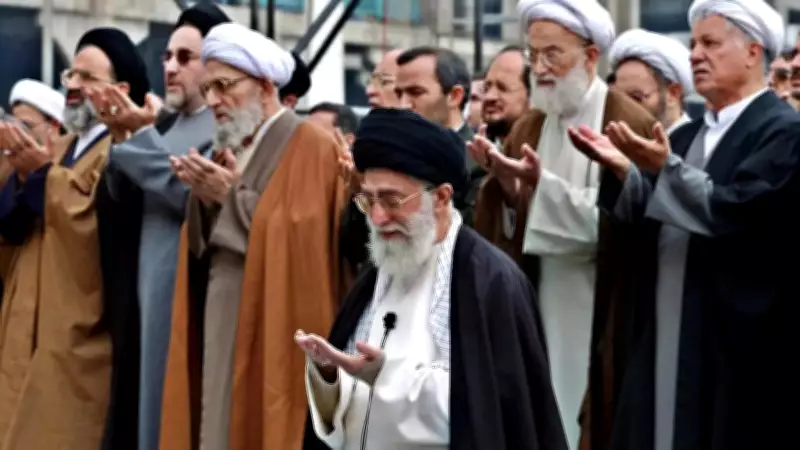
Iran's Political System Faces Unprecedented Challenges but Retains Core Stability
In the wake of widespread protests that have swept across Iran in recent months, the nation's political system has been profoundly shaken, yet not shattered, according to a detailed analysis by regional experts. The unrest, triggered by economic hardships, social restrictions, and political discontent, has exposed significant cracks in the regime's facade, but the foundational structures of governance appear to remain resilient and operational.
Protests Expose Deep Societal Fissures
The protests, which began in late 2022 and have continued sporadically, have highlighted deep-seated grievances among the Iranian populace. Citizens have taken to the streets to voice their frustrations over issues such as inflation, unemployment, and the strict enforcement of Islamic laws. These demonstrations have not only challenged the government's authority but have also sparked a broader debate about the future of Iran's political landscape.
Despite the intensity of the protests, the regime has managed to maintain control through a combination of security measures and political maneuvering. The government's response has included crackdowns on dissent, internet restrictions, and arrests of activists, which have temporarily quelled the unrest but have not addressed the underlying causes of discontent.

Analysts Point to System's Resilience
Experts argue that while the protests have shaken the system, they have not led to its collapse. The Islamic Republic's institutions, including the Revolutionary Guards, the judiciary, and the clerical establishment, continue to function and uphold the regime's authority. This resilience is attributed to the system's ability to adapt and co-opt opposition elements, as well as its control over key state apparatuses.
Moreover, the regime has leveraged its ideological foundations and historical legitimacy to rally support among certain segments of the population. This has helped to prevent a complete breakdown of the political order, even as public trust in the government has eroded significantly.
Implications for Regional and Global Dynamics
The situation in Iran has broader implications for the Middle East and international relations. The regime's stability is crucial for regional security, given Iran's influence in countries like Syria, Lebanon, and Yemen. Any significant weakening of the Iranian system could lead to increased instability in these areas, affecting global energy markets and diplomatic efforts.
Additionally, the protests have drawn attention from global powers, with some countries expressing support for the demonstrators while others caution against external interference. This has added a layer of complexity to the geopolitical landscape, as nations navigate their relationships with Iran amid the ongoing turmoil.
Future Outlook: Shaken but Not Broken
Looking ahead, analysts predict that Iran's political system will continue to face challenges from within, but a complete overthrow remains unlikely in the near term. The regime's ability to withstand pressure from both domestic and international sources suggests that it may endure, albeit in a more fragile state.
However, the protests have undeniably altered the political discourse in Iran, empowering civil society and fostering a sense of collective action among citizens. This could lead to gradual reforms or increased tensions in the future, depending on how the government addresses the root causes of the unrest.
In conclusion, while Iran's system has been shaken by recent protests, it has not been shattered. The regime's resilience, combined with the complexities of regional dynamics, indicates that the political landscape will remain turbulent but intact for the foreseeable future.






