

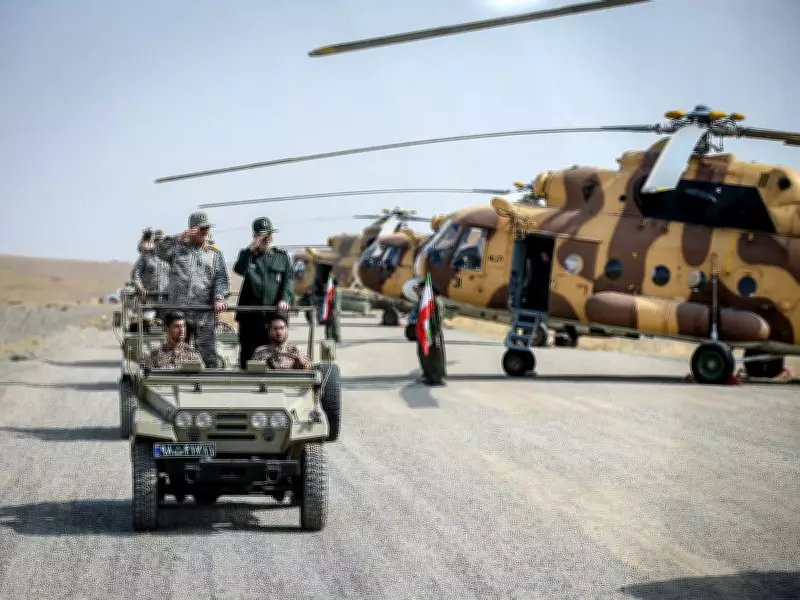
Iran's IRGC Issues Stark Warning of Prolonged War Amid US Vows of Decisive Response
In a significant escalation of geopolitical tensions, Iran's Islamic Revolutionary Guard Corps (IRGC) has issued a stark warning, cautioning that the ongoing conflict could evolve into a prolonged war. This statement comes as the United States has vowed to deliver a decisive response to developments in strategic weaponry, highlighting a deepening rift between the two nations.
IRGC's Warning of Extended Conflict
The IRGC, a powerful branch of Iran's military, emphasized that any military confrontation would not be short-lived. They asserted that Iran is prepared for a sustained engagement, citing their advanced capabilities and strategic readiness. This warning underscores Iran's stance in the face of increasing pressure from Western powers, particularly the US, over its military programs.
US Commitment to Decisive Action
In response, the United States has reaffirmed its commitment to taking decisive measures against any threats posed by strategic weapons. US officials have stated that they will not hesitate to act firmly to protect national security and regional stability. This vow signals a potential hardening of US policy towards Iran, amid ongoing disputes over nuclear ambitions and missile technology.

Strategic Weaponry at the Core of Tensions
The core of the dispute revolves around Iran's development and deployment of strategic weaponry, including missiles and other advanced military systems. The US views these as destabilizing factors in the Middle East, while Iran defends them as necessary for deterrence and national defense. This disagreement has fueled a cycle of threats and counter-threats, raising fears of a broader conflict.
Implications for Regional Stability
The exchange of warnings between Iran and the US has significant implications for regional stability in the Middle East. Key points include:
- Increased Military Posturing: Both sides are likely to enhance their military readiness, leading to a heightened risk of accidental clashes.
- Impact on Diplomacy: The harsh rhetoric could undermine diplomatic efforts to resolve issues through negotiation, such as the Iran nuclear deal.
- Regional Alliances: Other countries in the region may be drawn into the conflict, exacerbating tensions further.
Historical Context and Recent Developments
This latest episode is part of a long history of strained relations between Iran and the US, dating back decades. Recent developments, including sanctions and military incidents, have only intensified the animosity. The IRGC's warning and US response reflect a new phase in this ongoing struggle, with both sides digging in their heels.
Global Reactions and Concerns
International observers have expressed concern over the potential for escalation. Many are calling for restraint and dialogue to prevent a full-scale war. The situation is being closely monitored by global powers, who fear the repercussions of a conflict in such a volatile region.
In summary, the IRGC's warning of a prolonged war and the US's vow of a decisive response mark a critical juncture in Iran-US relations. As strategic weaponry remains a flashpoint, the world watches anxiously, hoping for de-escalation but preparing for the worst. The coming weeks may prove pivotal in determining whether diplomacy can prevail over confrontation.






