

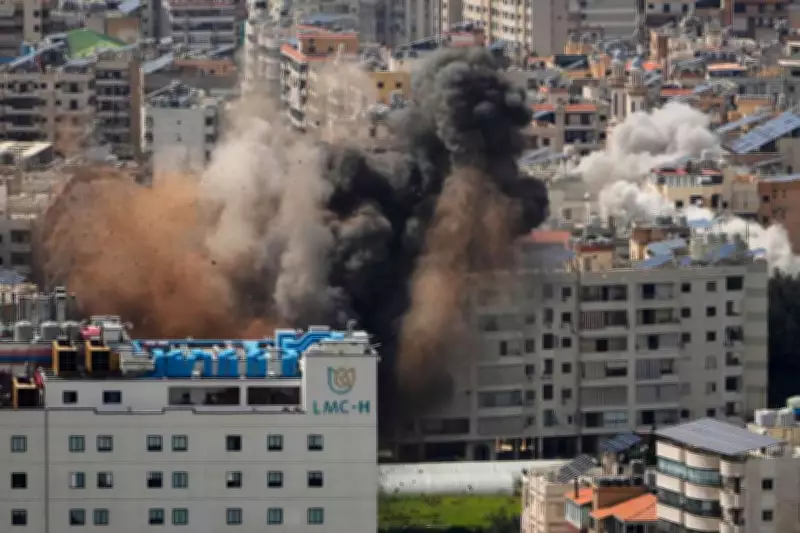
Israel's Military Strikes on Lebanon Result in Heavy Casualties
The Lebanese Health Ministry has officially confirmed a devastating toll from recent Israeli attacks, with at least 89 individuals killed and more than 700 others wounded. This alarming escalation in violence has intensified regional instability and drawn international concern over the humanitarian impact.
Details of the Attack and Casualty Figures
According to the latest reports from Lebanese authorities, the Israeli military launched a series of targeted strikes across various locations in Lebanon. The attacks, which occurred on April 8, 2026, have resulted in widespread destruction and a significant number of casualties. The Lebanese Health Ministry has been actively coordinating emergency medical responses to treat the injured, many of whom are in critical condition.
The casualty count includes both civilians and military personnel, though specific breakdowns have not been fully disclosed due to the ongoing nature of the conflict. Hospitals in Lebanon are reportedly overwhelmed, struggling to cope with the influx of patients and shortages of medical supplies.

Regional and International Reactions
The attacks have sparked immediate condemnation from several countries and international organizations, calling for an immediate ceasefire and diplomatic resolution. The United Nations has expressed deep concern over the escalating violence, urging all parties to exercise restraint and prioritize civilian safety.
This incident marks one of the deadliest episodes in recent years in the ongoing tensions between Israel and Lebanon, raising fears of a broader regional conflict. Analysts suggest that the strikes may be linked to heightened geopolitical rivalries and proxy conflicts in the Middle East.
Background and Context of the Conflict
Israel and Lebanon have a long history of border disputes and military engagements, often involving militant groups based in Lebanon. The current attacks come amid a period of increased hostilities, with both sides exchanging fire in recent months. The Lebanese government has accused Israel of violating its sovereignty, while Israel has cited security threats as justification for its actions.
- Humanitarian Crisis: The high number of casualties has exacerbated an already dire humanitarian situation in Lebanon, which is grappling with economic challenges and political instability.
- International Diplomacy: Efforts are underway by global powers to mediate and de-escalate the situation, though progress has been slow amid entrenched positions on both sides.
- Future Implications: The attacks are likely to have lasting effects on regional security dynamics, potentially influencing alliances and military strategies in the Middle East.
As the situation continues to evolve, the Lebanese Health Ministry remains on high alert, providing updates and coordinating relief efforts. The international community watches closely, with calls for accountability and a peaceful resolution growing louder in the wake of this tragic event.






