

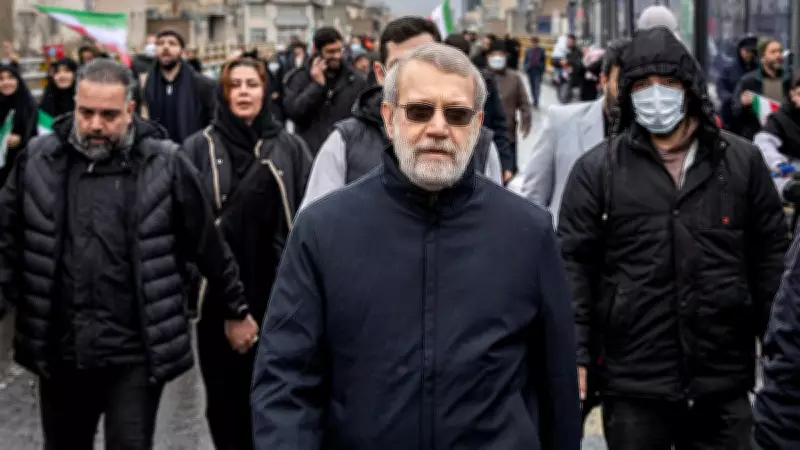
Israel Claims Elimination of Iran's Security Chief Ali Larijani in Latest Strikes
In a significant escalation of tensions in the Middle East, Israel has claimed responsibility for eliminating Ali Larijani, a prominent Iranian security official, in its most recent military strikes. The announcement, made by Israeli authorities, alleges that Larijani was targeted and killed during operations aimed at countering Iranian influence in the region. This development marks a bold move in the ongoing proxy conflicts between the two nations, which have intensified in recent months.
Details of the Alleged Strike
According to Israeli statements, the strikes were conducted as part of a broader strategy to neutralize high-value targets associated with Iran's security apparatus. Ali Larijani, known for his role in Iran's defense and intelligence sectors, was reportedly identified and targeted in a precision operation. The Israeli military has not disclosed the exact location or timing of the strike, citing operational security, but sources indicate it occurred within the past few days.
Iran has not officially confirmed Larijani's death, leading to widespread speculation and uncertainty. Iranian media outlets have remained largely silent on the matter, with no immediate statements from government officials. This lack of confirmation has fueled rumors and raised questions about the veracity of Israel's claims, as well as the potential implications for regional stability.

Background and Regional Context
Ali Larijani has been a key figure in Iran's security establishment, with a long history of involvement in military and intelligence operations. His alleged elimination comes amid heightened hostilities between Israel and Iran, which have been engaged in a shadow war across the Middle East. Recent months have seen an increase in cross-border attacks, cyber operations, and diplomatic tensions, with both sides accusing each other of aggression.
The Middle East has been a hotspot for geopolitical strife, with conflicts often involving proxy groups and international actors. Israel's claim to have taken out a senior Iranian official could signal a shift towards more direct confrontations, potentially drawing in other countries and destabilizing the region further. Analysts warn that such actions might provoke retaliatory measures from Iran, escalating the situation into a broader conflict.
Global Reactions and Implications
International observers are closely monitoring the situation, with many expressing concern over the potential for escalation. Key global powers, including the United States and European nations, have called for restraint and dialogue to prevent further violence. The United Nations has reiterated its stance on maintaining peace and security in the Middle East, urging all parties to avoid actions that could lead to wider hostilities.
If confirmed, Larijani's death would represent a significant blow to Iran's security infrastructure and could impact its strategic capabilities in the region. It might also influence Iran's domestic politics, as Larijani was seen as a influential player within the country's leadership circles. The incident underscores the fragile nature of Middle East geopolitics, where targeted strikes and covert operations have become common tools in statecraft.
As the situation unfolds, the world awaits official confirmation from Iran and further details from Israel. The outcome could have far-reaching consequences for regional alliances, security dynamics, and international diplomacy, making this a critical development to watch in the coming days.






