

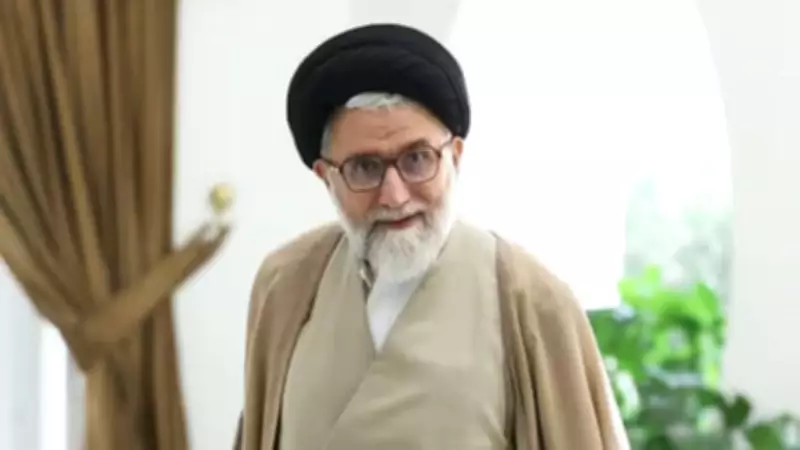
Israel Announces Death of Iranian Intelligence Minister in Military Strikes
In a dramatic escalation of hostilities, Israel has claimed responsibility for the killing of Iranian Intelligence Minister Esmaeil Khatib in a series of recent military strikes. This development intensifies the already volatile situation in the Middle East, raising concerns about potential retaliatory actions and broader regional instability.
Details of the Incident and Israeli Claims
According to Israeli officials, the strikes targeted key Iranian positions, resulting in the death of Minister Khatib, a prominent figure in Iran's security apparatus. The attacks are part of an ongoing campaign by Israel to counter perceived threats from Iran, including its nuclear program and support for militant groups in the region.
Israeli sources have stated that the operation was meticulously planned and executed, aiming to neutralize high-value targets within Iran's intelligence network. The timing of these strikes coincides with heightened tensions over Iran's regional activities and its adversarial stance toward Israel.

Iran's Response and Regional Implications
Iran has not yet officially confirmed the death of Minister Khatib, but initial reports suggest that the government is assessing the situation. If verified, this event could prompt a strong response from Tehran, potentially involving military or diplomatic measures against Israel.
The killing of a senior Iranian official like Khatib represents a significant blow to Iran's intelligence capabilities, and it may lead to increased scrutiny of security protocols within the country. Regional analysts warn that this incident could spark a cycle of retaliation, further destabilizing the Middle East and affecting global security dynamics.
Background on Esmaeil Khatib and His Role
Esmaeil Khatib served as Iran's Intelligence Minister, overseeing critical operations related to national security and foreign intelligence. His tenure was marked by efforts to strengthen Iran's defensive and offensive capabilities in the face of international pressure and regional conflicts.
- Khatib was instrumental in coordinating Iran's intelligence activities across the Middle East.
- He played a key role in managing relationships with allied groups and governments.
- His death, if confirmed, could disrupt ongoing Iranian operations and strategic initiatives.
International Reactions and Future Outlook
The international community is closely monitoring the situation, with many countries urging restraint to prevent further escalation. The United Nations and other global bodies may intervene to mediate between Iran and Israel, although past efforts have yielded limited success.
Looking ahead, the aftermath of these strikes could influence diplomatic negotiations, such as those concerning Iran's nuclear program. Security experts emphasize the need for de-escalation to avoid a full-scale conflict, which would have dire consequences for regional peace and global energy markets.
In summary, Israel's claim of killing Iranian Intelligence Minister Esmaeil Khatib in recent strikes adds a new layer of complexity to the Middle East conflict. As both nations navigate this critical juncture, the world watches with apprehension, hoping for a peaceful resolution to prevent further bloodshed and instability.






