

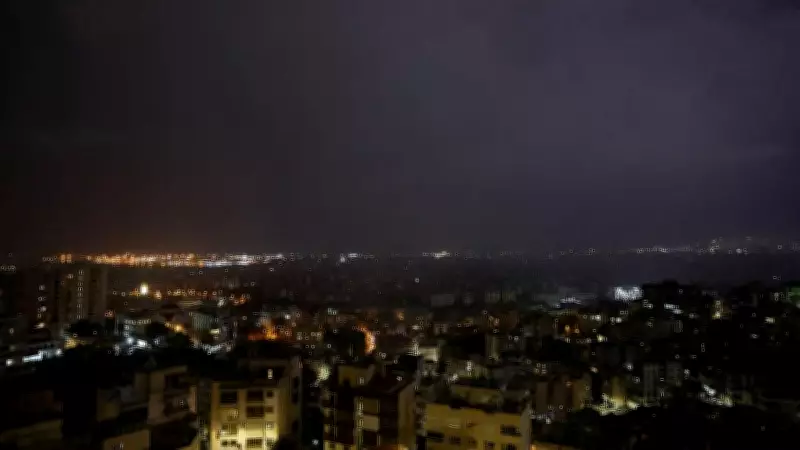
Israel Initiates Targeted Military Actions in Southern Lebanon
The Israeli military has confirmed the launch of limited-scale operations against Hezbollah forces in southern Lebanon. This development marks a significant escalation in the ongoing cross-border tensions between Israel and the Iran-backed militant group.
Details of the Military Engagement
According to official statements from the Israel Defense Forces (IDF), troops have been deployed to conduct precise operations aimed at neutralizing Hezbollah threats along the volatile border region. The operations are described as limited in scope but strategically focused on disrupting the group's military capabilities and infrastructure.
The IDF emphasized that these actions are defensive measures in response to repeated provocations and attacks from Hezbollah positions in Lebanon. Military analysts note that such operations typically involve targeted strikes, reconnaissance missions, and tactical maneuvers designed to degrade enemy assets without triggering a full-scale conflict.

Regional Context and Escalating Tensions
This military activity occurs against a backdrop of heightened hostilities in the Middle East. Hezbollah, a Shiite political and military organization, has long been a formidable adversary of Israel, with both sides engaging in periodic skirmishes across the Lebanon-Israel border.
The recent operations underscore the fragile security situation in the region, where even limited military actions can potentially spiral into broader confrontations. International observers are closely monitoring the situation, concerned about the risk of escalation affecting regional stability.
Potential Implications and International Response
The limited operations by Israel could have several implications:
- Increased cross-border violence: Hezbollah may retaliate with rocket fire or other attacks, leading to a cycle of escalation.
- Diplomatic repercussions: The United Nations and other global powers might call for restraint and dialogue to prevent further destabilization.
- Impact on civilian populations: Residents in border areas of both Israel and Lebanon could face heightened security risks and displacement threats.
While Israel maintains its right to self-defense against Hezbollah aggression, the international community often urges de-escalation to avoid humanitarian crises and wider conflict. The situation remains fluid, with military and diplomatic channels actively engaged to manage the crisis.






