

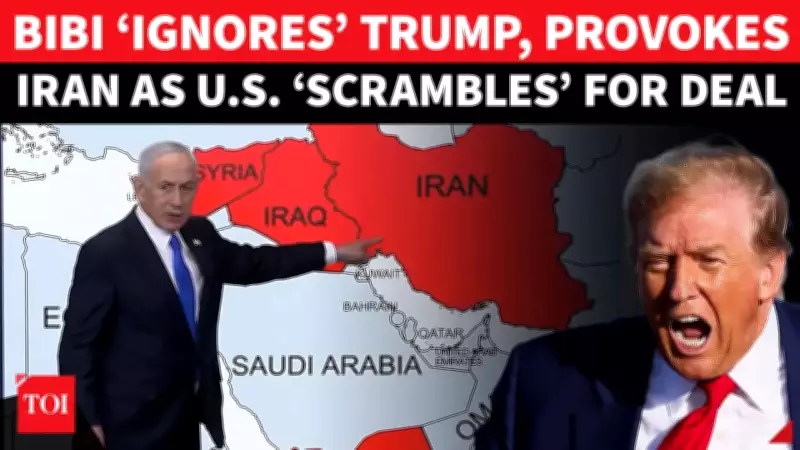
Netanyahu's Bold Move: Israel Threatens Iran Nuclear Strikes Amid US Diplomacy Push
Tensions in the Middle East are escalating dramatically as conflicting signals emerge between diplomatic efforts and military threats. Israeli Prime Minister Benjamin Netanyahu has taken an exceptionally hardline stance regarding Iran's nuclear program, even as the United States continues to advocate for renewed peace initiatives and diplomatic frameworks.
Israel's Military Posturing
According to emerging intelligence reports and strategic assessments, Israel is actively signaling its readiness to conduct potential military strikes on Iranian nuclear facilities. This aggressive posture represents a significant escalation in the long-standing conflict between the two nations, with Netanyahu's government demonstrating willingness to take unilateral action regardless of international diplomatic efforts.
The Israeli position appears particularly defiant given the timing of these threats, which coincide with ongoing high-stakes negotiations between the United States and Iran in Islamabad. These talks, which have already faced multiple obstacles including disputes over the Strait of Hormuz, now face additional pressure from Israel's military posturing.

Washington's Diplomatic Dilemma
The United States finds itself in a delicate position, attempting to simultaneously contain potential escalation while keeping diplomatic channels open and viable. Washington's approach has emphasized negotiation and containment, but Israel's increasingly assertive stance threatens to undermine these efforts and potentially trigger broader regional conflict.
This situation creates what analysts describe as a classic diplomatic dilemma: how to maintain pressure on Iran's nuclear ambitions through peaceful means while preventing allies from taking unilateral military action that could destabilize the entire region. The timing is particularly sensitive given the complex web of regional alliances and ongoing conflicts involving various state and non-state actors.
Regional Implications and Broader Context
The current standoff occurs against a backdrop of multiple regional tensions, including recent clashes between Hezbollah and Israeli forces that resulted in casualties and significant destruction. These parallel conflicts create a volatile environment where any escalation could potentially trigger broader regional confrontation.
Furthermore, the involvement of other international players adds complexity to the situation. Reports suggest China has been accused of bolstering Iran's air defense capabilities, while Pakistan has played host to the diplomatic talks, with Pakistani F-16 jets reportedly escorting both Iranian delegates and visiting US officials.
The diplomatic efforts in Islamabad represent a critical juncture in US-Iran relations, with both sides attempting to navigate complex issues including nuclear program limitations, regional security arrangements, and economic sanctions. Israel's threatened military action introduces an unpredictable element that could derail these delicate negotiations entirely.
Strategic Calculations and Future Scenarios
Analysts suggest Netanyahu's hardline approach may represent both genuine security concerns and domestic political calculations. The Israeli government has consistently maintained that Iran's nuclear program represents an existential threat, and this latest escalation reflects that longstanding position.
However, the timing also suggests possible strategic messaging aimed at influencing both the Islamabad talks and Israel's relationship with the United States. By demonstrating willingness to act independently, Israel may be attempting to strengthen its bargaining position in regional security discussions while signaling its red lines regarding Iranian nuclear development.
The coming days will be crucial in determining whether diplomatic channels can withstand this pressure or whether military confrontation becomes inevitable. All eyes remain on Islamabad, Tehran, Jerusalem, and Washington as these complex geopolitical dynamics continue to unfold in one of the world's most volatile regions.






