

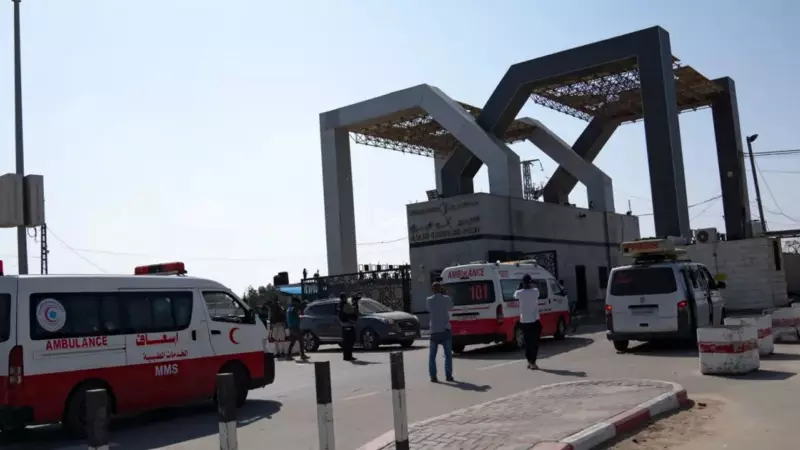
Israel Announces Reopening of Gaza's Rafah Crossing Following Hostage Search Conclusion
In a significant development amid ongoing regional tensions, Israel has declared its intention to reopen the Rafah crossing into Gaza. This decision comes after authorities completed a thorough search operation aimed at locating the body of the last hostage, a process that has drawn international attention and concern.
Background and Context of the Rafah Crossing Closure
The Rafah crossing, a critical border point between Gaza and Egypt, has been a focal point in the complex geopolitical landscape of the Middle East. Its closure in recent times was linked to security measures and investigations into hostage situations, which have exacerbated humanitarian challenges in the region. The crossing serves as a vital lifeline for the movement of people and goods, and its shutdown has impacted daily life and economic activities in Gaza.
Details of the Search Operation and Its Conclusion
Israeli forces conducted an extensive search operation to find the body of the last hostage, a mission that involved multiple agencies and resources. This effort was part of broader efforts to address hostage crises that have arisen from conflicts in the area. The conclusion of this search marks a pivotal moment, allowing for the reassessment of border policies and the potential easing of restrictions.

The reopening of the Rafah crossing is expected to facilitate improved access for humanitarian aid and commercial trade, which could help alleviate some of the pressures faced by residents in Gaza. However, security protocols will likely remain stringent to prevent future incidents and ensure stability.
Implications for Regional Relations and Future Prospects
This move by Israel could have far-reaching implications for diplomatic relations in the Middle East. It may signal a step towards de-escalation or a strategic adjustment in border management. Observers are closely watching how this development will affect ongoing peace talks and regional security dynamics.
The decision underscores the delicate balance between security concerns and humanitarian needs in conflict zones. As the situation evolves, further updates on the operational details and international reactions are anticipated.






