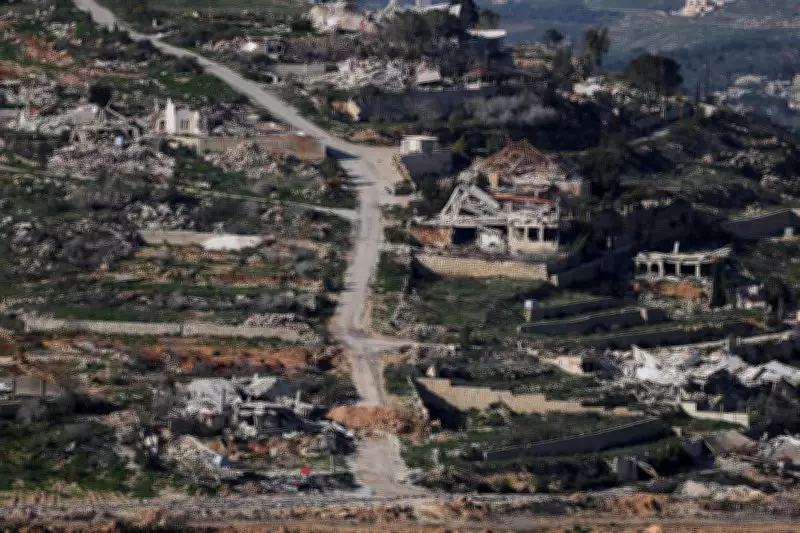
Israeli Airstrikes in Lebanon Result in Significant Casualties Overnight
Lebanese health officials have reported a tragic escalation of violence, confirming that at least 16 people were killed and 35 others wounded in overnight Israeli airstrikes. The attacks, which targeted various locations across Lebanon, have intensified regional tensions and sparked urgent calls for de-escalation from international observers.
Details of the Overnight Assault
The airstrikes, conducted by Israeli forces, struck multiple areas in Lebanon during the late-night and early-morning hours. According to official statements from Lebanese health authorities, the casualties include civilians and military personnel, with many of the wounded suffering from severe injuries requiring immediate medical attention. The exact locations of the strikes have not been fully disclosed, but initial reports suggest they were concentrated in southern and eastern regions of the country.
Emergency services were swiftly mobilized to respond to the aftermath, with hospitals and medical facilities across Lebanon placed on high alert to treat the influx of patients. Health officials emphasized the strain on the healthcare system, noting that resources are being stretched thin due to the scale of the injuries.

Regional and International Reactions
This incident marks a significant uptick in hostilities between Israel and Lebanon, raising fears of a broader conflict in the already volatile Middle East. Regional leaders have condemned the airstrikes, labeling them as disproportionate and calling for an immediate ceasefire. International bodies, including the United Nations, have expressed deep concern over the rising death toll and the potential for further escalation.
Analysts point to ongoing geopolitical tensions in the area, with recent skirmishes and political disputes contributing to the heightened military activity. The overnight attacks are seen as part of a larger pattern of retaliatory measures, though specific triggers for this latest round of violence remain under investigation.
Humanitarian Impact and Future Implications
The humanitarian impact of the airstrikes is profound, with families displaced and communities left in shock. Local aid organizations are working to provide shelter, food, and medical supplies to those affected, but the sudden surge in needs poses significant challenges. Health officials warn that the death toll could rise as rescue operations continue and more victims are discovered in the rubble.
Looking ahead, the situation remains precarious, with both sides reportedly on high alert for potential further actions. Diplomatic efforts are underway to mediate and prevent a full-scale war, but the overnight casualties underscore the urgent need for a peaceful resolution. The international community is closely monitoring developments, urging restraint and dialogue to avoid more loss of life.
In summary, the overnight Israeli airstrikes in Lebanon have resulted in a devastating loss of life and injuries, as confirmed by Lebanese health officials. This event highlights the fragile security landscape in the Middle East and the critical importance of de-escalation to protect civilian lives and regional stability.