

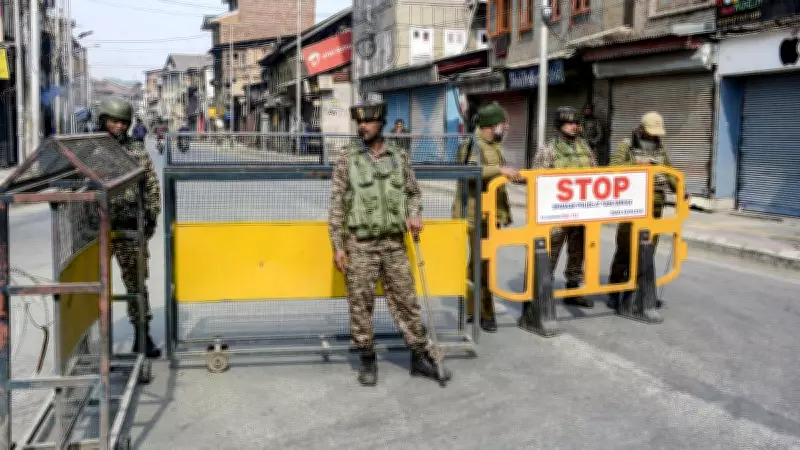
Kashmir Sees Continued Restrictions on Tense Friday Amid Regional Unrest
Authorities in the Kashmir region maintained strict security measures and curbs on Friday, March 6, 2026, as tensions in West Asia continued to reverberate locally. The day was marked by significant disruptions to religious gatherings, particularly affecting the weekly Friday prayers at prominent mosques.
Mirwaiz Confined to Residence, Barred from Sermon
In a notable development, Mirwaiz Umar Farooq, a key religious leader in Kashmir, reported that he had been confined to his residence in the Nigeen area of Srinagar. He stated that he was not permitted to proceed to the historic Jama Masjid to deliver the traditional Friday sermon, known as the Khutbah. This restriction highlights the heightened security posture adopted by local authorities in response to the volatile regional climate.
The confinement of Mirwaiz underscores the broader pattern of limitations imposed on public assemblies and religious activities across the valley. Officials have cited concerns over potential unrest and the need to maintain public order, especially given the ongoing conflicts in West Asia that have sparked solidarity protests and demonstrations in various parts of the world, including Kashmir.

Security Measures and Public Impact
Reports indicate that security forces were deployed in strength across Srinagar and other parts of Jammu and Kashmir to enforce the restrictions. Key areas around mosques, including Jama Masjid, saw increased patrols and barricades, effectively curtailing large gatherings. The measures have drawn criticism from local residents and religious groups, who argue that they infringe upon religious freedoms and exacerbate tensions.
The situation in Kashmir remains delicate, with the region often mirroring global geopolitical shifts. The current restrictions are seen as a preventive step to avoid any spillover effects from the West Asia conflict, which involves nations like Iran and has implications for Muslim communities worldwide. Ayatollah Ali Khamenei's statements and regional developments are closely monitored, influencing local dynamics in Kashmir.
Broader Context and Reactions
This incident occurs against a backdrop of longstanding political and social challenges in Kashmir. The region has witnessed periodic curbs on movement and assembly, particularly during times of heightened sensitivity. The confinement of Mirwaiz, a respected figure, has sparked debates on the balance between security and civil liberties.
- Local leaders have expressed concern over the continuous restrictions, calling for a more nuanced approach to governance.
- Security analysts note that such measures are often temporary but can have lasting impacts on community relations.
- The international community, including organizations focused on human rights, may scrutinize these developments closely.
As of the reporting date, there has been no official statement from authorities regarding the specific reasons for confining Mirwaiz or the duration of the restrictions. The situation is evolving, with residents hoping for a swift return to normalcy while remaining wary of further escalations linked to global events.






