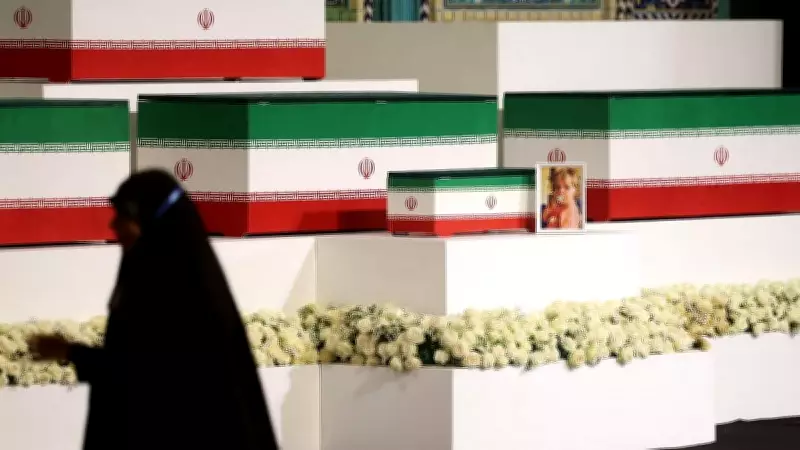
Iran is staging a week of mass funeral processions for Supreme Leader Ayatollah Ali Khamenei, who was killed in February by US and Israeli airstrikes at the start of a four-month war. The events, held in Tehran, are designed to demonstrate public devotion to the Islamic Republic's theocratic state and revolutionary fire, according to Reuters.
Funeral Processions Underway
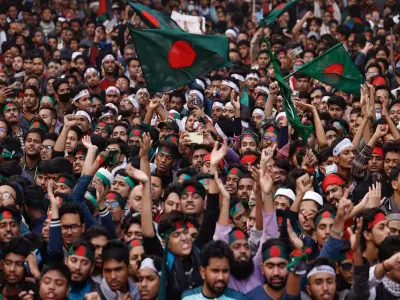
The funeral events began with Khamenei's body lying in state in Tehran, where thousands of mourners gathered to pay their respects. The processions are expected to continue for a week, with ceremonies planned across the country. The display of public grief underscores the regime's effort to rally support amid ongoing conflicts.
Khamenei, who led Iran for decades, was a central figure in the Islamic Republic's political and religious hierarchy. His death marked a significant escalation in regional tensions, following the airstrikes that targeted him in February. The war that ensued has lasted four months, with no immediate end in sight.

Impact on Regional Stability
The killing of Khamenei has reshaped the Middle East's geopolitical landscape. Iran's leadership has vowed retaliation, while US and Israeli forces remain on high alert. The funeral events serve both as a mourning period and a political statement, reinforcing the regime's narrative of resistance against foreign aggression.
According to Reuters, the processions are expected to draw millions of participants, reflecting the deep influence of Khamenei's legacy. The week-long events include processions in major cities, with the final burial ceremony planned at a shrine in Tehran.
International Reactions
The international community has closely watched the developments. The United Nations has called for restraint, while regional powers like Saudi Arabia and Turkey have expressed concern over the escalating conflict. The funeral events are seen as a test of Iran's internal stability and its ability to maintain control during a leadership transition.
As the processions continue, analysts note that the show of public devotion is crucial for the Islamic Republic's legitimacy. The regime faces challenges from both internal dissent and external pressures, making the funeral a key moment for consolidating support.