

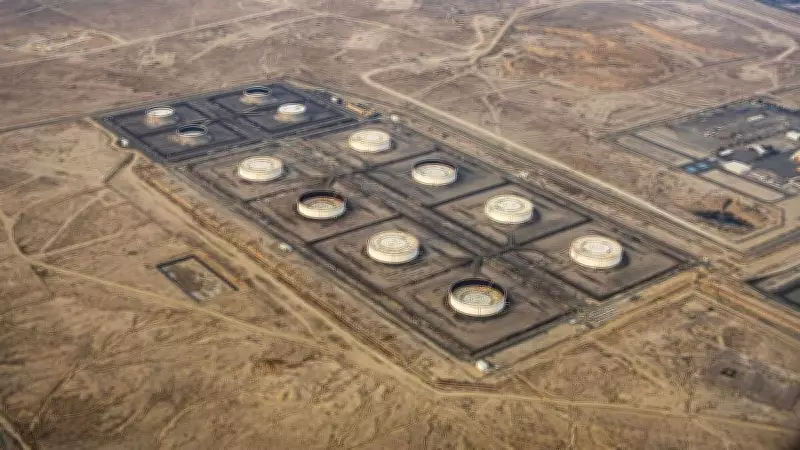
Kuwait Implements Precautionary Oil Production Cuts Amid Rising Iran Tensions
In a significant move that underscores the volatility of the Middle East's energy landscape, Kuwait has announced a reduction in its crude oil production. The decision, confirmed by the state-owned Kuwait Petroleum Corporation (KPC), is described as a precautionary measure in response to escalating regional tensions, particularly with Iran. This development comes at a time when global oil markets are already grappling with supply uncertainties, and it highlights how geopolitical strife can directly influence economic stability worldwide.
Official Statement from Kuwait Petroleum Corporation
According to KPC, the production cut is a strategic step to safeguard national interests and ensure operational security in the face of potential threats. "We are taking proactive measures to mitigate risks associated with the current regional situation," a KPC spokesperson stated, emphasizing that the move is temporary and will be reassessed based on evolving circumstances. The corporation did not specify the exact volume of the reduction, but industry analysts estimate it could affect a notable percentage of Kuwait's daily output, which typically hovers around 2.7 million barrels per day.
Impact on Global Energy Markets
The announcement has sent ripples through international energy circles, with experts warning of potential price fluctuations. Key factors to consider include:

- Supply Disruptions: Kuwait is a major OPEC member, and any cut in its production could tighten global oil supplies, potentially driving up prices.
- Market Sentiment: The precautionary nature of the reduction reflects heightened anxiety over Iran-related conflicts, which may lead to increased volatility in trading.
- Regional Stability: This move underscores the broader instability in the Middle East, where oil-producing nations are often caught in cross-border tensions.
Historically, such geopolitical events have led to spikes in oil prices, affecting everything from transportation costs to inflation rates globally. In this case, the reduction could exacerbate existing concerns about energy security, especially as nations navigate post-pandemic recovery efforts.
Broader Context of Iran-Kuwait Relations
Tensions between Iran and Kuwait are not new, but recent escalations have raised alarms. Issues such as maritime disputes, regional proxy conflicts, and diplomatic standoffs have contributed to a fragile environment. Kuwait's decision to cut oil production is seen as a defensive maneuver, aimed at preempting any disruptions that might arise from these tensions. It also signals a cautious approach by Gulf states, which rely heavily on oil revenues and are keen to avoid instability that could harm their economies.
Looking ahead, the situation remains fluid. If tensions with Iran de-escalate, Kuwait may quickly resume normal production levels. However, if conflicts intensify, further cuts or even broader regional impacts could follow. Stakeholders, including investors and policymakers, are advised to monitor developments closely, as the interplay between geopolitics and energy markets continues to shape global dynamics in unpredictable ways.






