

Lebanon Sucked Deeper into War as Hezbollah and Israel Intensify Clashes
The situation in Lebanon has deteriorated sharply in recent weeks, with the country being drawn deeper into a dangerous conflict as Hezbollah and Israel engage in an escalating exchange of fire. This intensification of hostilities along the volatile border is raising alarm bells across the region, with fears mounting that it could spiral into a full-scale war, further destabilizing an already fragile Middle East.
Escalating Violence on the Lebanon-Israel Border
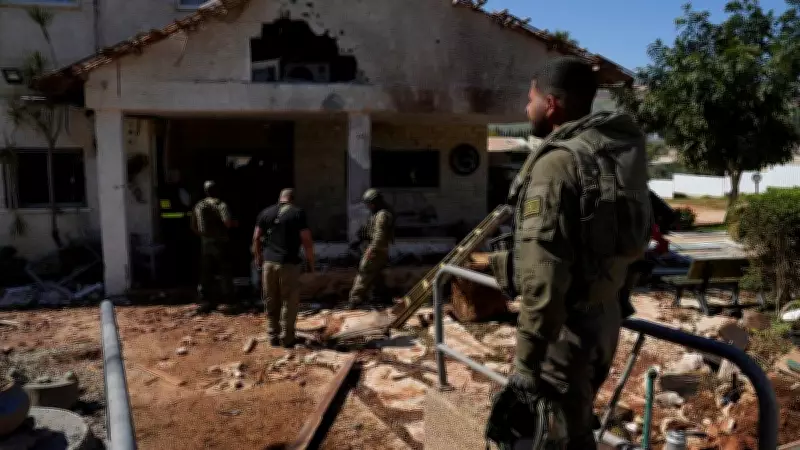
Reports indicate that cross-border attacks have become more frequent and severe, with Hezbollah launching rockets and drones into northern Israel, and Israel responding with airstrikes and artillery fire targeting Hezbollah positions in southern Lebanon. The clashes have resulted in casualties on both sides, including civilian deaths and injuries, exacerbating humanitarian concerns in border communities.
This surge in violence marks a significant escalation from previous skirmishes, with both sides adopting more aggressive tactics. Analysts warn that the conflict is testing the long-standing but tense status quo that has prevailed since the 2006 war between Hezbollah and Israel, risking a broader confrontation that could involve other regional actors.

Impact on Lebanon's Fragile Stability
Lebanon, already grappling with a severe economic crisis, political paralysis, and social unrest, is ill-equipped to handle this new wave of violence. The conflict is straining the country's resources, displacing residents from border areas, and threatening to derail any prospects for economic recovery. The Lebanese government, weakened by internal divisions, has struggled to assert control over Hezbollah's actions, highlighting the militia's significant influence in the country's politics and security affairs.
Moreover, the fighting is disrupting daily life in southern Lebanon, with schools and businesses closing, and infrastructure suffering damage from Israeli strikes. This adds to the woes of a population already suffering from hyperinflation, unemployment, and shortages of basic necessities like electricity and medicine.
Regional and International Concerns
The escalating conflict has drawn concern from international actors, including the United Nations and key global powers, who are calling for restraint to prevent a wider war. Diplomatic efforts are underway to de-escalate tensions, but progress has been limited due to the complex geopolitical dynamics at play.
- Regional Implications: The fighting risks drawing in other players, such as Iran, which backs Hezbollah, and could exacerbate existing conflicts in Syria and Gaza.
- Humanitarian Crisis: Civilians are bearing the brunt of the violence, with aid organizations warning of a worsening humanitarian situation if the conflict continues.
- Economic Fallout: Lebanon's economy, already in freefall, could collapse further under the strain of war, leading to more poverty and instability.
As Hezbollah and Israel continue to trade blows, the path to de-escalation remains uncertain. The international community is urging both sides to step back from the brink, but with deep-seated animosities and strategic interests at stake, Lebanon's descent into deeper conflict seems increasingly likely, posing a grave threat to regional peace and security.






