

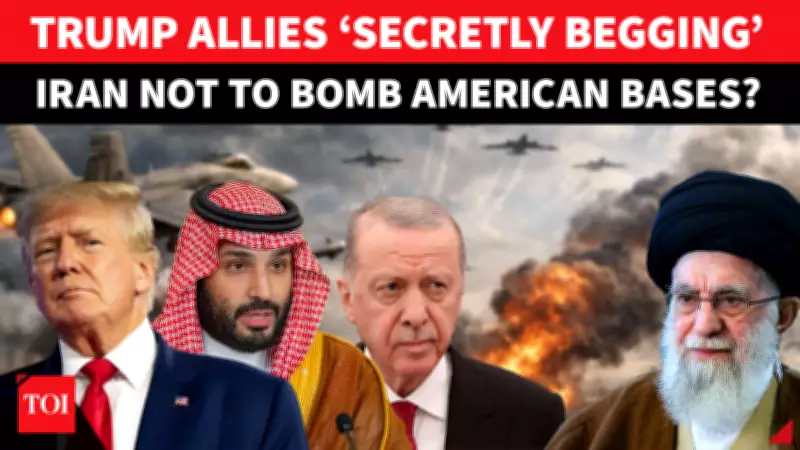
Middle Eastern Powers Urge Diplomacy as US-Iran Tensions Threaten Regional War
As tensions between the United States and Iran escalated dangerously, key Middle Eastern nations have taken urgent diplomatic steps to prevent a full-scale military conflict. Regional leaders from capitals including Riyadh, Doha, Ankara, and Muscat are actively engaging behind the scenes to de-escalate the situation, driven by fears that open warfare would have catastrophic consequences for the region.
Economic Concerns Drive Diplomatic Push
The primary motivation behind this diplomatic initiative is the potential economic devastation that a US-Iran military clash could unleash. Regional powers are particularly concerned about the impact on critical oil routes and shipping lanes in the Persian Gulf and Strait of Hormuz, which are vital arteries for global energy supplies. A conflict could disrupt these channels, leading to skyrocketing oil prices and severe economic instability across fragile regional economies.
These diplomatic efforts have already yielded some results, creating space for renewed talks between the involved parties and contributing to a temporary de-escalation of hostilities. However, the situation remains precarious, with both sides maintaining significant military assets in the region.

Military Buildup Continues Amid Diplomatic Efforts
Despite the diplomatic push, military tensions remain high. The United States has deployed warships to the region, while Iran maintains missile capabilities within striking distance of US bases and allied assets. This military posture underscores that while diplomacy has created a brief respite, the underlying crisis is far from resolved.
The regional leaders' intervention highlights their recognition that a US-Iran war would not be contained to those two nations but would inevitably spill over, affecting neighboring countries and global markets. Their coordinated pressure reflects a shared interest in stability, even among nations with differing relationships with Washington and Tehran.
Broader Regional Implications
The diplomatic maneuvers by Middle Eastern powers occur against a backdrop of broader regional instability. The involvement of multiple capitals suggests a collective understanding that preventing conflict requires a multilateral approach. This episode demonstrates how regional actors can play crucial roles in mitigating international crises, even when major global powers appear on the brink of confrontation.
As the situation evolves, the effectiveness of these diplomatic efforts will be tested by the willingness of both the United States and Iran to engage in meaningful dialogue. For now, the temporary de-escalation offers a fragile window for further diplomatic work, but the persistent military buildup serves as a stark reminder of how quickly tensions could reignite.






