

Middle East Conflict Enters Fourth Week Amid Diplomatic Turmoil
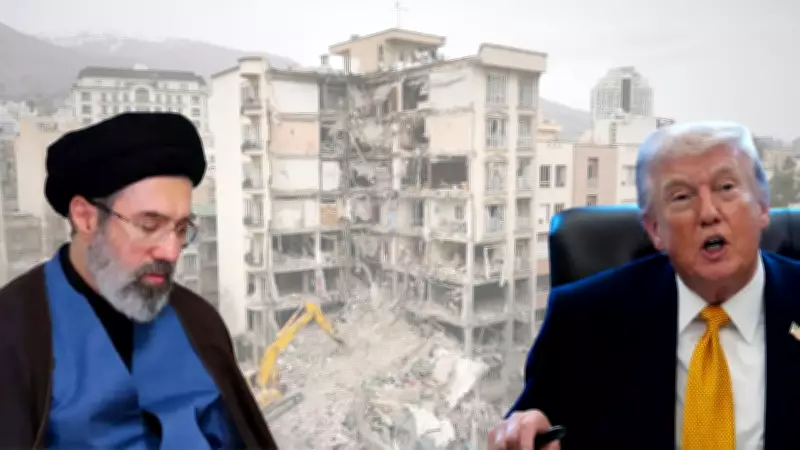
As the war in the Middle East approaches its fourth week, signals from Washington indicating progress in peace negotiations with Iran have provided fleeting moments of market optimism. However, these glimmers of hope have been swiftly extinguished by Tehran's categorical denials and the persistent hostilities raging across the region. The ongoing conflict continues to destabilize global energy markets and geopolitical stability.
Strait of Hormuz: The Critical Chokepoint
At the epicenter of this escalating crisis lies the Strait of Hormuz, a vital maritime artery responsible for approximately one-fifth of the world's oil shipments. Iran's effective blockade of this strategic waterway has severely disrupted global shipping lanes, propelling Brent crude prices to surge above $100 per barrel. This represents a staggering increase of nearly 40 percent since the outbreak of hostilities.
Washington's 15-Point Peace Framework
The United States has formally presented a comprehensive 15-point plan aimed at resolving the conflict. Delivered through diplomatic intermediaries, this multifaceted proposal reportedly combines several critical elements into a unified framework:

- An immediate ceasefire agreement
- Reopening of the Strait of Hormuz to international shipping
- Gradual sanctions relief for Iran
- Limitations on Iran's nuclear and missile development programs
Washington advocates for discussing this plan as an integrated package, potentially through negotiations hosted by Pakistan. However, Iran's profound mistrust—fueled by previous diplomatic engagements that were followed by military strikes—has significantly complicated any potential dialogue.
Tehran's Firm Rejection and Demands
Iranian officials have responded with outright skepticism to the proposed peace plan, warning mediating nations that they believe they have been deceived twice previously by the Trump administration and are unwilling to risk further disappointment. Foreign Minister Abbas Araghchi has explicitly stated that Tehran shows no interest in temporary ceasefires, instead demanding a complete cessation of hostilities across all fronts.
Iran has established exceptionally high prerequisites for any potential negotiations, including:
- Comprehensive sanctions relief measures
- Ironclad guarantees against future military attacks
- An immediate end to Israeli military operations throughout the region
Furthermore, Tehran has proposed establishing a new regulatory framework for the Strait of Hormuz, potentially including transit fees, highlighting how this strategic waterway has become central to Iran's geopolitical leverage.
Evolving US Objectives and Military Buildup
President Trump's war objectives have expanded significantly since the conflict's inception, now encompassing broader strategic aims beyond initial military goals. These include crippling Iran's missile capabilities, dismantling critical defense infrastructure, and ensuring the nation can never develop nuclear weapons.
Even as diplomatic discussions circulate, the United States continues to amplify its military presence in the region. Thousands of Marines and additional elite unit troops are being deployed, providing Washington with expanded operational options. This dual-track approach—combining diplomatic overtures with military pressure—appears deliberate, with Defense Secretary Pete Hegseth bluntly stating: "We negotiate with bombs."
Israel's Aggressive Posture and Regional Complications
Prime Minister Benjamin Netanyahu maintains an aggressive military stance, continuing strikes against Iranian and allied targets even as US-led diplomatic initiatives take shape. Israel frames its campaign as part of a comprehensive effort to diminish Iran's regional influence, including operations targeting Hezbollah in Lebanon. While signaling alignment with Washington, Israel's objectives—particularly regarding potential regime change—appear more expansive, complicating pathways to de-escalation.

India's Diplomatic Position and Energy Concerns
Prime Minister Narendra Modi has consistently advocated for de-escalation, emphasizing the critical importance of keeping the Strait of Hormuz open and secure. As a nation heavily dependent on energy imports, India maintains a direct stake in resolving the crisis. New Delhi has engaged in diplomatic discussions with both Washington and Tehran while closely monitoring impacts on its energy security. Several Indian vessels remain affected by shipping disruptions in the strait, though limited passage has been permitted. India has deliberately avoided participation in any US-led military initiatives, instead prioritizing dialogue and regional stability.
Global Oil Markets in Turmoil
The trajectory of global oil prices vividly reflects the profound uncertainty at the heart of this conflict. Brief periods of optimism regarding potential peace talks have been repeatedly undermined by continued military strikes and uncompromising political positions. With Brent crude prices hovering persistently above $100 per barrel and no clear resolution in sight, energy markets are likely to experience sustained volatility. The delicate balance between military escalation and diplomatic negotiation will ultimately determine not only the course of this war but also the stability of the global economy.
The international community watches anxiously as this complex geopolitical drama unfolds, with the Strait of Hormuz serving as both a military flashpoint and economic bargaining chip. The coming weeks will reveal whether diplomacy can overcome deep-seated mistrust or whether further military escalation becomes inevitable.





