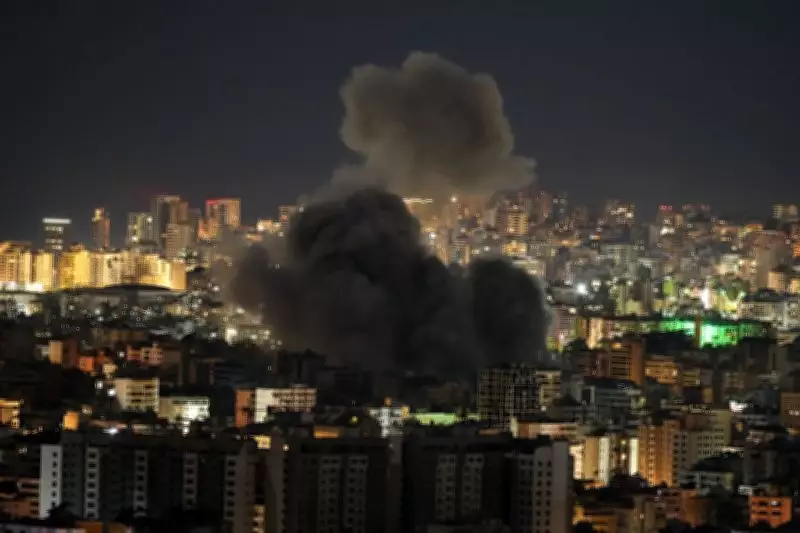
Global Impact of Middle East Conflict: Regional and International Consequences
The unfolding war in the Middle East is sending shockwaves far beyond the immediate conflict zone, with profound effects on countries across the region and the wider world. This analysis examines how the situation is reshaping geopolitics, economies, and security dynamics on a global scale.
Regional Repercussions in the Middle East
Neighboring nations are experiencing direct and indirect impacts from the conflict. Countries like Jordan, Lebanon, and Egypt are facing heightened security concerns, with increased military deployments and border tensions. The humanitarian crisis is spilling over, leading to refugee flows and straining local resources. Economic instability is rampant, as trade routes are disrupted and investor confidence wanes.
In the Gulf region, nations such as Saudi Arabia and the United Arab Emirates are navigating complex diplomatic challenges. They are balancing regional alliances with international pressures, while also contending with fluctuations in oil markets. The conflict has exacerbated existing tensions, potentially affecting long-term stability and cooperation efforts.

International Consequences Beyond the Region
The war's impact extends globally, influencing international relations and economic systems. Major powers like the United States, Russia, and China are closely involved, with their foreign policies and strategic interests at stake. Diplomatic efforts are intensifying, but divisions in the United Nations and other forums highlight the complexity of achieving a resolution.
Economically, the conflict is disrupting global supply chains, particularly in energy and shipping sectors. Oil prices have seen volatility, affecting markets worldwide and contributing to inflationary pressures. International trade is suffering, with implications for growth and development in both developed and emerging economies.
Security and Humanitarian Dimensions
Security concerns are escalating, with fears of the conflict spreading or inspiring unrest elsewhere. Cybersecurity threats and terrorism risks are on the rise, prompting increased vigilance from governments globally. The humanitarian toll is severe, with millions affected by displacement, food insecurity, and lack of medical care, drawing responses from international aid organizations.
In summary, the Middle East conflict is not an isolated event but a catalyst for widespread change. Its effects are felt in regional stability, global diplomacy, economic markets, and human security, underscoring the interconnected nature of modern geopolitics.