

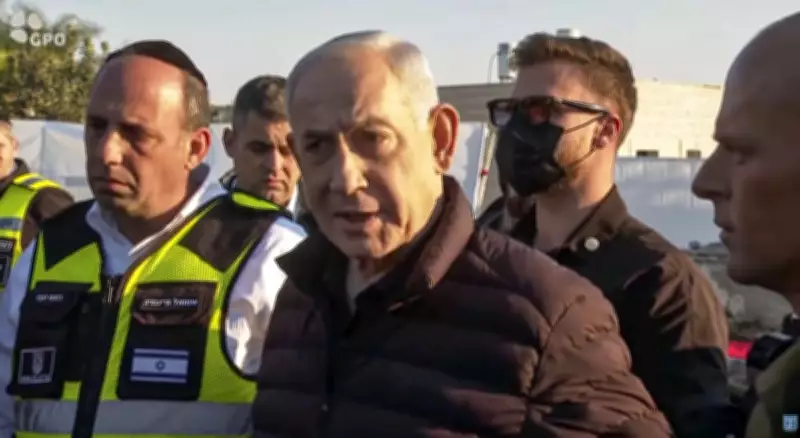
Netanyahu Condemns Iran's 'Terrorist Regime' for Civilian Attacks
Israeli Prime Minister Benjamin Netanyahu has issued a strong condemnation of Iran, labeling its government a "terrorist regime" that deliberately targets civilians. In a recent statement, Netanyahu emphasized that Israel, in contrast, is solely focused on protecting its people from such threats. This declaration comes amid heightened regional tensions and ongoing security challenges in the Middle East.
Escalating Rhetoric in the Israel-Iran Conflict
The Prime Minister's remarks highlight a significant escalation in the verbal warfare between Israel and Iran. Netanyahu accused Iran of engaging in activities that endanger innocent lives, asserting that its actions are driven by a malicious intent to spread terror. He stated, "Iran's terrorist regime is targeting civilians, while Israel is dedicated to safeguarding our citizens." This statement underscores the deep-seated animosity and strategic rivalry between the two nations, which has been a persistent feature of Middle Eastern geopolitics.
Israel's Defense Strategy Amid Regional Threats
Netanyahu reiterated Israel's commitment to a robust defense posture, aimed at countering what he described as Iran's aggressive maneuvers. He outlined that Israel's military and intelligence efforts are concentrated on preempting and neutralizing threats to ensure the safety of its population. The Prime Minister's comments reflect ongoing concerns about Iran's influence in the region, including its support for proxy groups and alleged involvement in destabilizing activities.

Key Points from Netanyahu's Address:
- Iran is accused of operating as a "terrorist regime" with a focus on civilian targets.
- Israel's primary objective is the protection of its people from external threats.
- The statement signals a hardening of Israel's stance against Iranian policies.
- Netanyahu called for international awareness and action against Iran's alleged terrorism.
International Reactions and Implications
The Prime Minister's accusations are likely to draw varied responses from the global community. Allies of Israel may echo concerns about Iran's regional activities, while critics could view the remarks as inflammatory. This development adds to the complex dynamics of Middle Eastern diplomacy, where issues of security, sovereignty, and international relations are intricately linked. Netanyahu's firm stance aims to bolster Israel's position on the world stage, emphasizing its right to self-defense against perceived adversaries.
As tensions persist, the focus remains on how both nations will navigate their contentious relationship, with potential implications for regional stability and global security efforts.






