

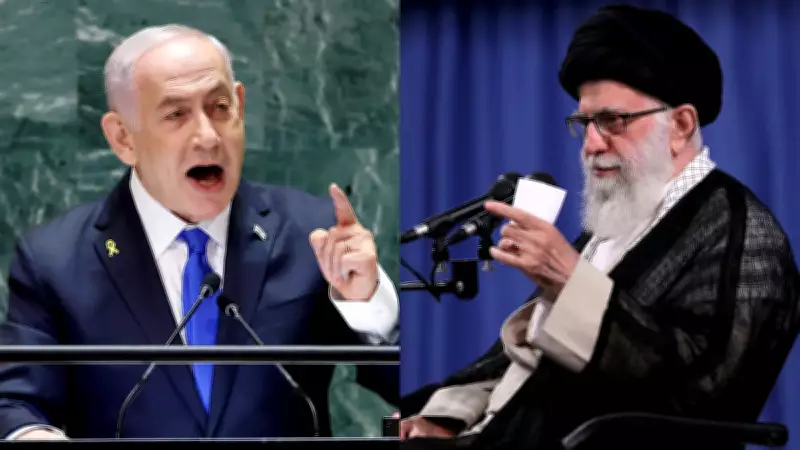
Israeli Prime Minister Makes Bold Assertion on Iranian Leadership
In a significant statement that has captured international attention, Israeli Prime Minister Benjamin Netanyahu has publicly declared that there are numerous signs indicating Iran's Supreme Leader, Ayatollah Ali Khamenei, may no longer be in full control of the country. This remark comes at a time of heightened tensions in the Middle East, with ongoing conflicts and geopolitical rivalries shaping regional dynamics.
Netanyahu's Analysis of Iran's Internal Situation
Netanyahu, known for his hawkish stance on Iran, elaborated on his observation by pointing to various internal and external factors that suggest a potential shift in Tehran's power structure. He emphasized that these signs are not isolated incidents but rather part of a broader pattern that could signal instability within the Iranian regime. The Israeli leader did not specify the exact nature of these signs, but his comments have sparked widespread speculation and analysis among global observers.
Context of Regional Tensions: This statement is made against the backdrop of escalating hostilities between Israel and Iran, including proxy conflicts in Syria and Lebanon, as well as concerns over Iran's nuclear program. Netanyahu has long been a vocal critic of the Iranian government, accusing it of supporting terrorism and destabilizing the region. His latest remarks are seen as an attempt to highlight vulnerabilities within Iran's leadership, possibly to bolster Israel's strategic position.

Potential Implications for Middle East Politics
If Netanyahu's assessment proves accurate, it could have profound implications for Middle Eastern politics. A weakened Khamenei might lead to increased internal strife in Iran, affecting its foreign policy decisions and regional alliances. This could, in turn, impact ongoing negotiations, such as those related to the Iran nuclear deal, and alter the balance of power in conflicts involving Iranian-backed groups.
International Reactions: The international community is closely monitoring the situation, with many countries expressing cautious interest in Netanyahu's claims. Some analysts suggest that this could be a strategic move by Israel to influence global perceptions and rally support against Iran. Others warn that such statements might exacerbate tensions and lead to further instability in an already volatile region.
Historical Background and Current Developments
Ayatollah Ali Khamenei has been Iran's Supreme Leader since 1989, wielding significant influence over the country's political and religious affairs. Under his leadership, Iran has pursued an assertive foreign policy, often clashing with Israel and Western nations. Recent years have seen internal challenges, including economic hardships and public protests, which some believe could be undermining his authority.
Netanyahu's Track Record: This is not the first time Netanyahu has made bold predictions about Iran. He has previously warned about Iran's nuclear ambitions and regional activities, often using strong rhetoric to draw attention to what he perceives as threats. His latest comments add to a long history of confrontational statements aimed at isolating Iran on the world stage.
Looking Ahead: What This Means for Global Diplomacy
As the situation unfolds, key questions remain about the veracity of Netanyahu's claims and their potential impact. Will other nations corroborate these signs, or will they dismiss them as political posturing? The coming months may provide clearer insights into Iran's internal dynamics and how they shape regional conflicts. For now, Netanyahu's assertion serves as a reminder of the ongoing power struggles and uncertainties that define Middle Eastern geopolitics.
In summary, Benjamin Netanyahu's statement about Ayatollah Ali Khamenei losing control highlights the complex and often tense relationship between Israel and Iran. It underscores the importance of vigilance and diplomacy in navigating the challenges of the Middle East, where leadership changes can have far-reaching consequences for peace and stability.






