

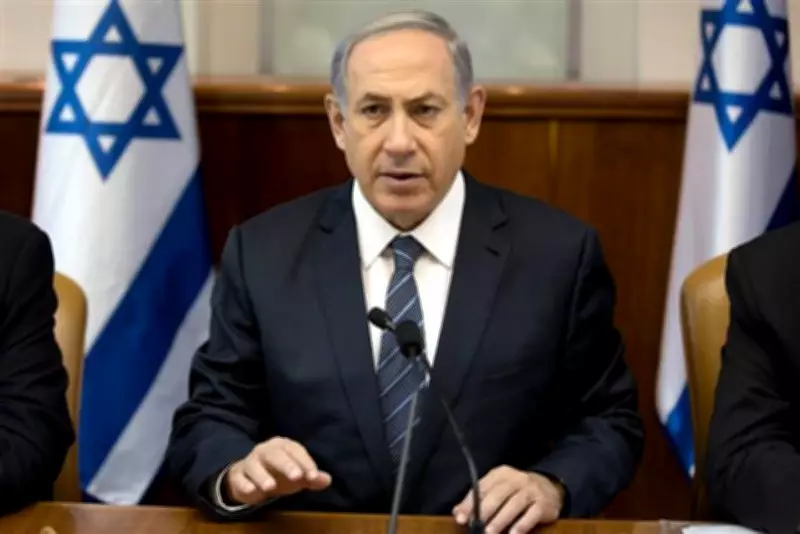
Netanyahu Endorses US Ceasefire Initiative with Iran
Israeli Prime Minister Benjamin Netanyahu has publicly backed a ceasefire agreement between the United States and Iran, a move that signals a potential de-escalation in long-standing regional hostilities. However, in a significant clarification, Netanyahu emphasized that this ceasefire does not extend to Lebanon, underscoring the complex and multifaceted nature of Middle Eastern geopolitics.
Details of the Ceasefire Agreement
The ceasefire, brokered by the United States, aims to reduce immediate military confrontations between Iran and its adversaries, including Israel. This development comes amid heightened tensions following recent escalations in the region. Netanyahu's endorsement is seen as a strategic step to align with US diplomatic efforts while safeguarding Israel's security interests.
Key aspects of the agreement include:

- A temporary halt to direct military engagements between US forces and Iranian proxies.
- Commitments to avoid further provocations that could lead to broader conflict.
- Ongoing diplomatic channels to address underlying issues, such as Iran's nuclear program.
Exclusion of Lebanon from the Ceasefire
In a pointed statement, Netanyahu explicitly stated that Lebanon is not included in this ceasefire arrangement. This exclusion highlights the ongoing volatility along Israel's northern border, where tensions with Lebanese-based groups, particularly Hezbollah, have persisted. Netanyahu's remarks suggest that Israel reserves the right to respond to threats emanating from Lebanon independently of the US-Iran agreement.
This move reflects Israel's broader security strategy, which often involves distinguishing between different regional actors to maintain flexibility in its defense policies.
Regional Implications and Reactions
The ceasefire has sparked mixed reactions across the Middle East. Some analysts view it as a positive step toward reducing immediate conflict risks, while others caution that it may not address deeper regional rivalries. The exclusion of Lebanon adds a layer of complexity, as it could lead to isolated skirmishes or renewed hostilities in that area, potentially undermining the broader ceasefire's stability.
Potential outcomes include:
- Increased diplomatic engagement between the US and Iran on other contentious issues.
- Heightened vigilance by Israel regarding security threats from Lebanon.
- Possible strain in US-Israel relations if future actions diverge from the ceasefire terms.
Background and Context
This development occurs against a backdrop of years of animosity between Iran and Israel, with both nations engaging in proxy conflicts across the region. The US has often played a mediating role, though its influence has fluctuated under different administrations. Netanyahu's support for this ceasefire may indicate a willingness to explore diplomatic solutions, even as he maintains a hardline stance on specific threats, such as those from Lebanon.
The situation remains fluid, with experts noting that the ceasefire's success will depend on adherence by all parties and the ability to manage peripheral conflicts, like those involving Lebanon.






