

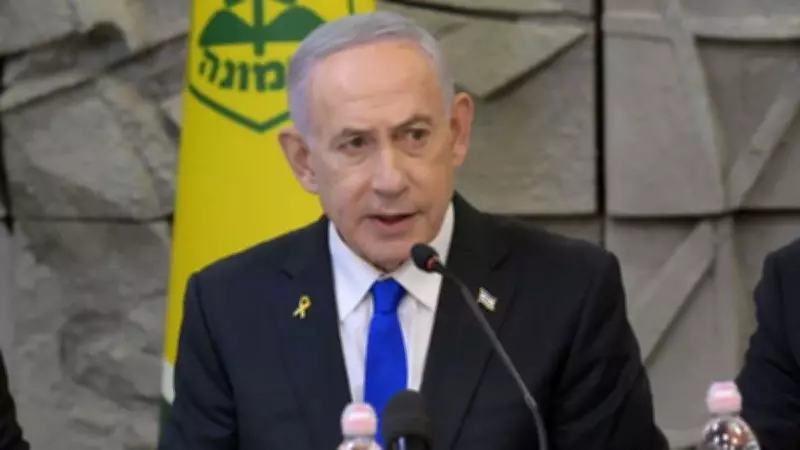
Netanyahu's Call for Iran Uprising Intensifies Israel-Iran Conflict
Israeli Prime Minister Benjamin Netanyahu has publicly urged for an uprising within Iran, marking a significant escalation in the long-standing conflict between Israel and Iran. This bold statement comes amid rising tensions in the Middle East, reflecting the deepening geopolitical divide in the region.
Escalating Tensions in the Middle East
The call for an Iranian uprising by Netanyahu is seen as a strategic move to pressure the Iranian government from within. This development follows a series of recent confrontations and proxy wars between the two nations, which have increasingly threatened regional stability. Analysts suggest that Netanyahu's remarks could further inflame hostilities, potentially leading to more direct conflicts.
Netanyahu's statement emphasizes Israel's firm stance against Iranian policies and its support for internal dissent in Iran. This approach aligns with Israel's broader strategy to counter Iranian influence in the Middle East, particularly through alliances with other regional powers.

Implications for Regional and Global Politics
The escalation of the Israel-Iran conflict has far-reaching implications, not only for the Middle East but also for global diplomacy. Key points include:
- Increased risk of military engagements between Israel and Iran or their proxies.
- Potential shifts in international alliances, as countries may be forced to take sides in the conflict.
- Impact on global oil markets and economic stability due to the region's strategic importance.
This situation underscores the volatile nature of Middle Eastern politics, where historical animosities and modern geopolitical strategies often collide. The call for an uprising in Iran by Netanyahu is likely to be met with strong reactions from Tehran, possibly leading to retaliatory measures.
Background of the Israel-Iran Rivalry
The conflict between Israel and Iran has deep roots, spanning decades of ideological and political differences. Iran's support for groups like Hezbollah and its nuclear program have been major points of contention, while Israel views Iran as an existential threat. Netanyahu's latest move is part of a broader pattern of Israeli efforts to isolate Iran internationally and undermine its government.
As tensions continue to rise, the international community is closely monitoring the situation, with calls for de-escalation to prevent a full-scale war. The outcome of this conflict could reshape the geopolitical landscape of the Middle East for years to come.






