

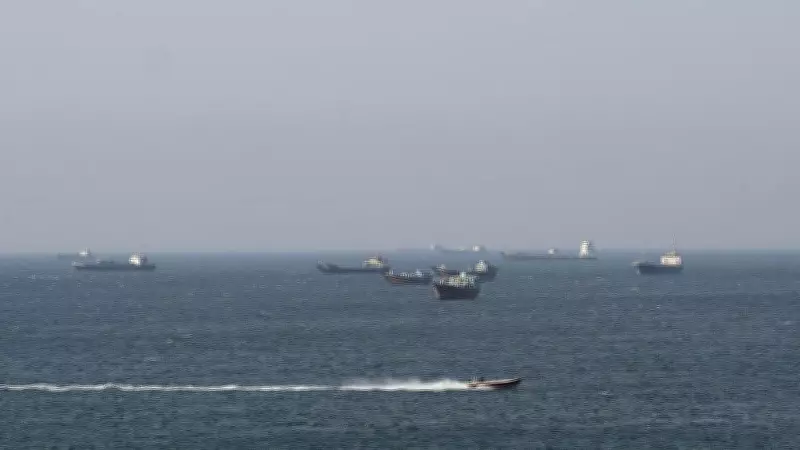
Significant Maritime Traffic in Strait of Hormuz Amid Regional Unrest
On Saturday, a notable surge in maritime activity was observed in the Strait of Hormuz, with reports indicating that more than 20 vessels successfully navigated this critical waterway. This development underscores the persistent flow of global trade through one of the world's most strategically important chokepoints, even as geopolitical tensions continue to simmer in the Middle East region.
Key Details of the Vessel Movements
The vessels that transited the strait included a diverse mix of commercial ships, such as oil tankers, container carriers, and bulk cargo vessels. This passage occurred without any reported incidents, reflecting the ongoing operational efficiency of maritime routes in the area. The Strait of Hormuz serves as a vital conduit for approximately one-fifth of the world's oil supply, making its security and accessibility paramount to global energy markets and economic stability.
Geopolitical Context and Implications
The movement of these vessels takes place against a backdrop of heightened regional tensions, particularly involving Iran and neighboring Gulf states. Recent months have seen sporadic incidents and diplomatic strains that have raised concerns about potential disruptions to shipping lanes. However, the smooth transit of over 20 vessels on Saturday suggests that commercial operations are proceeding with caution but without major hindrances, emphasizing the resilience of international maritime trade in volatile environments.

Analysts note that monitoring such traffic is crucial for assessing regional security dynamics. The continued passage of vessels through the Strait of Hormuz highlights the balancing act between maintaining open sea lanes and addressing security threats. This event may also signal efforts by stakeholders to de-escalate tensions and ensure the free flow of goods, which is essential for global supply chains and economic health.
Broader Impact on Global Trade
The Strait of Hormuz's role in global commerce cannot be overstated, as it connects the Persian Gulf with the Gulf of Oman and the Arabian Sea. Any significant disruption here could lead to spikes in oil prices and logistical challenges worldwide. The report of over 20 vessels passing through on a single day reinforces the waterway's ongoing importance and the collective interest in preserving its navigability. Stakeholders, including shipping companies and international bodies, are likely to continue closely watching developments in the region to mitigate risks and adapt to evolving geopolitical landscapes.






