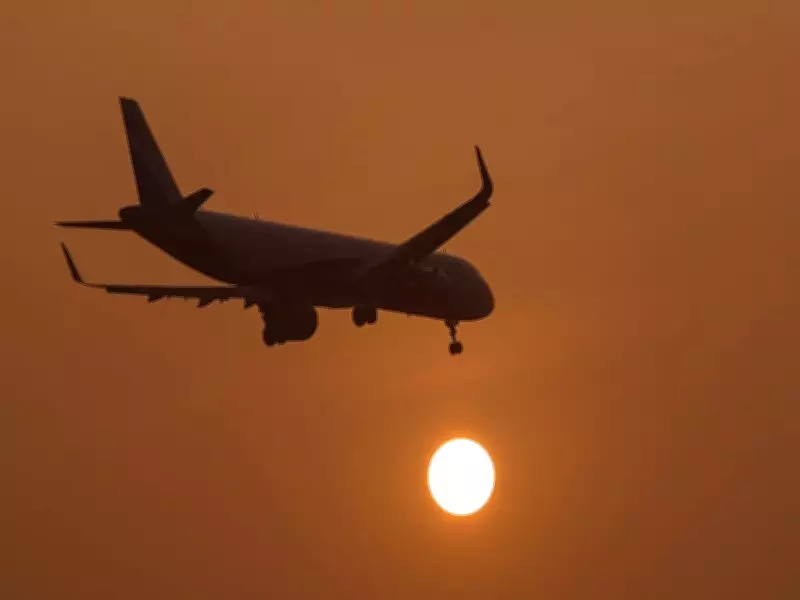
The Pakistani government has raised the price of jet fuel by PKR 13.23 per litre, setting the new rate at PKR 251.02 per litre, according to an official notification reported by ARY News. This increase follows a recent hike in petrol prices and is expected to lead to higher airfares across the country.
Impact on Airlines and Passengers
Aviation experts have indicated that the rise in jet fuel prices will significantly increase operating costs for both the national carrier, Pakistan International Airlines (PIA), and private airlines. These higher operational expenses are likely to be passed on to passengers in the form of increased airfares, as confirmed by industry sources.
This development comes amid broader fuel price adjustments in Pakistan. Petrol and diesel prices are also expected to rise due to a recent surge in crude oil rates in the global market. Sources cited by ARY News suggest that petrol prices could increase by PKR 13 per litre, while high-speed diesel may see a hike of PKR 14 per litre.

Government's Petroleum Levy Adjustments
On June 28, the Pakistani government raised the petroleum levy on petrol and high-speed diesel (HSD) while leaving retail fuel prices unchanged for another week, despite a decline in international oil prices, as reported by The Express Tribune. According to figures from Pakistan's Petroleum Division, the petroleum levy on high-speed diesel increased by PKR 6.57 per litre to PKR 79.54 per litre, while the levy on petrol rose by 39 paisa per litre to PKR 66.64 per litre. The petroleum levy on kerosene oil remained unchanged at PKR 20.36 per litre.
The government decided not to pass on the benefit of lower global oil prices to consumers, opting instead to maintain petrol and diesel prices at existing levels. However, the price of kerosene oil was reduced by PKR 6.85 per litre, bringing it down to PKR 227.05 per litre from PKR 233.90 per litre, according to a notification from Pakistan's Oil and Gas Regulatory Authority (OGRA).
Broader Economic Implications
Officials in the Petroleum Division clarified that the increase in the petroleum levy applies only to petrol and high-speed diesel, while the levy on kerosene remains unchanged. The latest adjustments mean that consumers will continue paying the same retail prices for petrol and diesel, even as the government increases its revenue from the petroleum levy on these two fuels. This policy shift is expected to have a ripple effect on the aviation sector, with airlines facing higher fuel costs that will ultimately be borne by passengers.