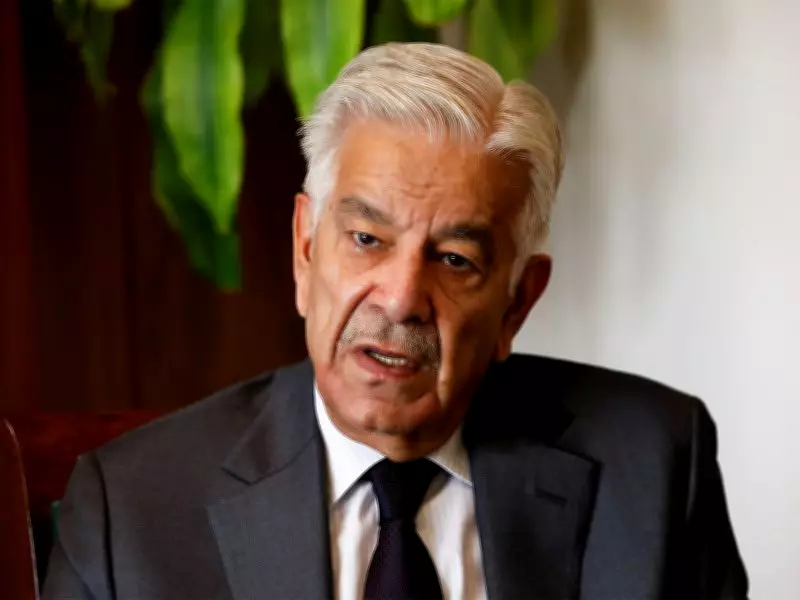
Pakistan's Defence Minister Khawaja Asif has signaled the possibility of forming a broader defence alliance with Qatar and Turkiye, following a similar partnership with Saudi Arabia. This development, reported by The Tribune, indicates a strategic shift in Pakistan's foreign policy towards creating a more comprehensive defence bloc in the Islamic world.
Speaking at a press conference, Asif emphasized the importance of strengthening ties with key Muslim nations to ensure regional security and stability. He noted that discussions with Qatar and Turkiye are at an advanced stage, and the proposed alliance would focus on joint military exercises, intelligence sharing, and counter-terrorism efforts.
Expanding Defence Partnerships
Pakistan has long maintained close military ties with Saudi Arabia, but the new initiative aims to broaden the scope of cooperation. Asif stated, "We are looking beyond existing partnerships to create a robust network that can address emerging security challenges." The minister highlighted that the alliance would not be directed against any specific country but would serve as a collective security mechanism for member states.

Strategic Implications
The proposed defence bloc, often referred to as an "Islamic NATO," could reshape regional dynamics. Analysts believe that involving Qatar and Turkiye, both influential players in the Middle East, would enhance Pakistan's strategic depth. However, experts caution that the alliance must navigate complex geopolitical rivalries, including tensions between Qatar and Saudi Arabia, as well as Turkiye's contentious relations with some Gulf states.
Asif acknowledged these challenges but expressed optimism about overcoming differences through dialogue. "Our shared faith and common interests provide a strong foundation for cooperation," he said.
The announcement comes amid Pakistan's efforts to bolster its defence capabilities and reduce reliance on traditional allies. The country has also been seeking to strengthen ties with China and Russia, but the proposed Islamic NATO signifies a renewed focus on Muslim-majority nations.
Reactions and Next Steps
Reactions from Qatar and Turkiye have been cautiously positive. Qatari officials welcomed the idea of enhanced defence cooperation, while Turkiye's defence ministry expressed interest in further discussions. The next step is expected to be a trilateral meeting to formalize the framework of the alliance.
Pakistan's move is seen as part of a broader strategy to assert its role in the Islamic world and counterbalance growing Indian influence in the region. Asif concluded, "We are committed to building a security architecture that protects the interests of our nations and promotes peace."