Monsoon Rains Trigger Severe Flooding in Wah Model Town
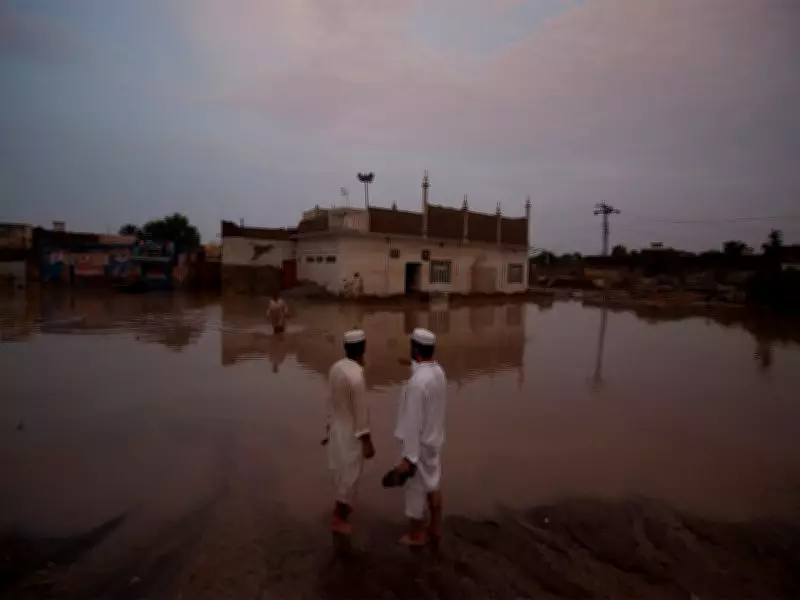
Residents of Wah Model Town in Taxila, Pakistan, are once again grappling with severe urban flooding, overflowing drains, and sewage-contaminated streets as monsoon rains arrive. Locals attribute the recurring crisis to years of administrative neglect and failing civic infrastructure, according to a report by Dawn. The seasonal rains, which should bring relief, have instead become a source of hardship for thousands of families in the area.
Inadequate Drainage and Sewerage Systems Persist
Wah Model Town, situated along the historic Grand Trunk (N-5) Highway and under the jurisdiction of the Wah Cantonment Board, has grown into a major residential and commercial hub. However, residents say the drainage and sewerage systems have seen little improvement despite the area's expansion. Many stormwater drains and sewer lines remain clogged or poorly maintained, causing even moderate rainfall to flood roads and neighborhoods within minutes.
The latest downpour submerged several streets after blocked drains failed to carry away rainwater, disrupting traffic, restricting pedestrian movement, and creating difficulties for schoolchildren and emergency responders. Social worker Abdul Saboor noted that the situation is aggravated by cattle farms in the adjoining Khanabad area. During heavy rains, animal waste is washed onto nearby roads and residential streets, creating unsanitary conditions and raising public health concerns.

Decades-Old Issues Remain Unresolved
The problem affects residents across Phase I and Phase II of Wah Model Town, where hundreds of homes, markets, and commercial buildings have been established over the past three decades. Community representative Ulfat Hussain said the issue dates back to the early 1990s, when the private housing scheme was developed within Wah Cantonment. He alleged that after selling residential and commercial plots, the developer gradually withdrew from municipal responsibilities, leaving residents uncertain about which authority is responsible for maintaining essential civic infrastructure.
Despite regularly paying property taxes, transfer fees, and other government charges, locals say they continue to receive inadequate municipal services. The lack of accountability has left residents frustrated as they brace for more monsoon rains.
Public Health and Environmental Concerns Rise
The combination of urban flooding and sewage overflow poses serious public health risks. Stagnant water mixed with animal waste creates breeding grounds for disease-carrying insects and bacteria. Residents worry about outbreaks of waterborne diseases such as cholera, typhoid, and dengue fever. Environmental degradation from unchecked waste also threatens local ecosystems.
Abdul Saboor emphasized the need for immediate action, stating, "The situation is becoming unbearable. We need proper drainage and sewerage systems, and regular maintenance to prevent flooding and health hazards." However, with no clear authority taking responsibility, residents feel abandoned by the very institutions meant to serve them.
Call for Government Intervention
As monsoon season intensifies, residents are calling on the Wah Cantonment Board and provincial authorities to address the long-standing infrastructure deficits. They demand a comprehensive plan to upgrade drainage systems, clear clogged sewers, and regulate cattle farms to prevent waste from entering residential areas. Without urgent intervention, the cycle of flooding and suffering is likely to continue, leaving thousands vulnerable to the annual monsoon crisis.