

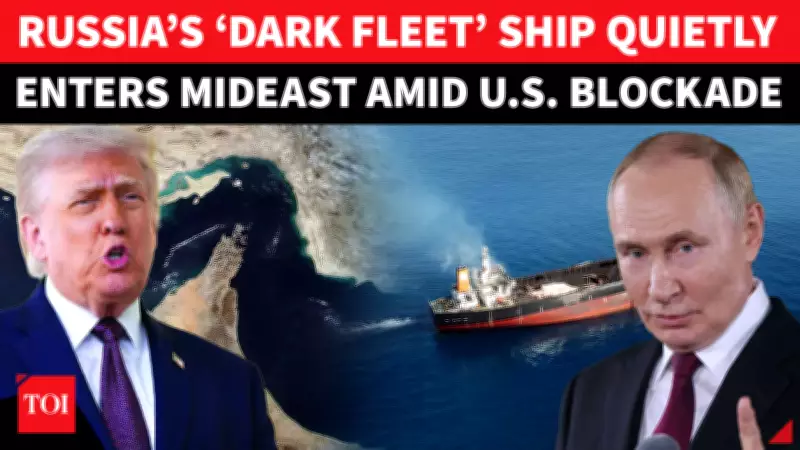
Russian 'Shadow Fleet' Vessel with Suspected Stolen Ukrainian Grain Enters Israeli Port
A significant diplomatic controversy has erupted following reports that a Russian vessel, part of a so-called "shadow fleet," quietly docked at the port of Haifa in Israel while carrying cargo of suspected stolen Ukrainian grain. This incident has triggered immediate and forceful outrage from Ukrainian officials, who allege the grain was sourced from territories occupied by Russia and forms part of a covert export network directly funding Moscow's ongoing war effort.
Allegations of Illegal Trade and Sanctions Evasion
Ukrainian authorities have publicly condemned the shipment, asserting that it represents a blatant violation of international law and sanctions. They claim the cargo originates from Ukrainian agricultural lands under Russian control, with proceeds from such exports being funneled to support military operations. This event has brought into sharp focus the growing global concern over illegal trade routes and sophisticated methods of sanctions evasion employed by state and non-state actors.
The use of opaque shipping operations, often involving vessels with obscured ownership and registration, has become a critical issue for international enforcement agencies. These "shadow fleets" operate under the radar, complicating efforts to monitor and disrupt illicit activities. The Haifa port incident underscores the challenges in holding accountable those who facilitate such trade, especially amidst escalating geopolitical tensions.

Broader Implications for Middle East Stability and Global Diplomacy
This development occurs against a backdrop of heightened instability in the Middle East, including recent conflicts and strategic maneuvers by various powers. The arrival of the Russian ship in Israel adds another layer of complexity to regional dynamics, potentially straining diplomatic relations and raising questions about compliance with international sanctions regimes.
Global enforcement mechanisms are now under scrutiny as stakeholders question the effectiveness of current measures to curb illegal trade. The incident highlights the urgent need for enhanced cooperation and transparency in maritime operations to prevent the exploitation of legal loopholes. As diplomatic tensions rise, the international community faces mounting pressure to address these vulnerabilities and ensure accountability in global trade practices.
In summary, the entry of a Russian shadow fleet vessel into Haifa port with suspected stolen Ukrainian grain has ignited a major controversy, emphasizing critical issues of sanctions evasion, illegal trade, and the opaque nature of modern shipping. This event not only fuels diplomatic strife but also calls for stronger global enforcement to combat such covert operations in an increasingly volatile geopolitical landscape.






