

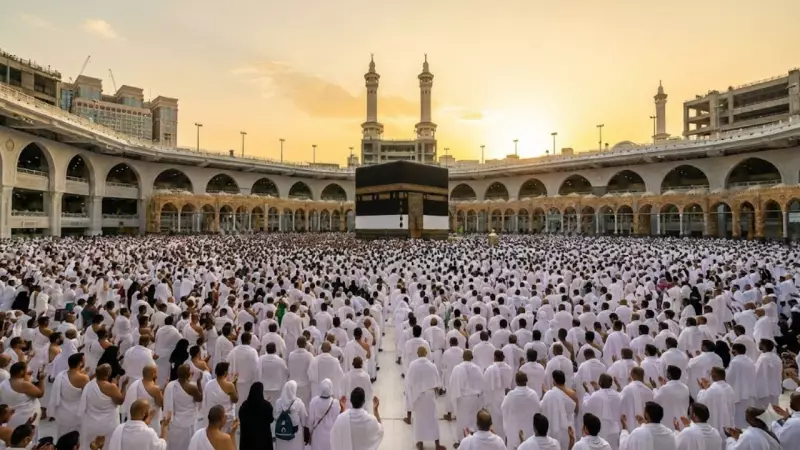
In a significant move aimed at enhancing safety and reliability, Saudi Arabian authorities have unveiled a stringent new regulatory framework for companies providing transportation services during the annual Hajj pilgrimage. The Royal Commission for Makkah and the Holy Sites has released draft regulations that lay down explicit operational guidelines, severe penalties for violations, and mandatory technical standards designed to ensure a smoother journey for millions of pilgrims.
Strict Penalties for Non-Compliance
The newly proposed rules establish clear consequences for transport providers who fail to adhere to the standards. The penalties are structured based on the severity of the violation and can be substantial. Fines can range from a minimum of 150 Saudi Riyals (SR) to a hefty SR 100,000 for serious infractions. For more grave breaches, operators risk being suspended from participating in Hajj operations for a period of one to three consecutive seasons. In the most extreme cases, authorities have the power to permanently revoke the operating permits of the service providers.
A fundamental rule mandates that no individual or company is allowed to offer any Hajj transportation services within the designated holy sites without first securing an official permit. This permit must be obtained exclusively from the Pilgrim Transportation Guidance Centre, the central body overseeing all pilgrim movement.

Streamlined Application Process with Fixed Deadlines
The draft regulations formalize the entire application procedure for transport companies wishing to serve during the Hajj season. Interested providers must submit a detailed electronic application through the official platform specified by the Guidance Centre. This application must clearly state the intent to participate and include crucial details such as the total number of buses available and all required technical and operational data proving their readiness.
The process follows a strict annual timeline. The application window opens every year on the first day of the Islamic month of Jumada al-Thani and remains active for exactly 60 days. Furthermore, all necessary supporting documents and data must be submitted by the 15th of Shawwal. However, the Guidance Centre retains the discretion to extend this final submission deadline until the end of Shawwal if circumstances require it.
Enhanced Operational Reliability and Safety Standards
A core objective of the new framework is to guarantee operational dependability and minimize pilgrim discomfort. The rules impose strict reliability requirements on service providers. A key provision states that if a vehicle breaks down, the provider must arrange for an alternative mode of transport within a strict time limit. Within cities and their suburbs, a replacement must be provided within one hour. For breakdowns occurring outside urban areas, the deadline extends to two hours.
If a company fails to supply an alternative within this stipulated period, the relevant authority will step in to provide replacement transportation that meets the approved standards. The original service provider will be held financially responsible for all costs incurred in this intervention. Additionally, companies are required to ensure they have a sufficient number of qualified technicians on standby throughout the Hajj season to maintain their fleet and guarantee safe, efficient operations.
Commitment to a Smoother Pilgrimage Experience
These comprehensive draft regulations underscore Saudi Arabia's ongoing commitment to leveraging tighter oversight and accountability to improve the overall Hajj experience. By formalizing application procedures, enforcing strict deadlines, and mandating robust contingency plans, the Royal Commission for Makkah and the Holy Sites aims to create a more streamlined and resilient transportation ecosystem. The ultimate goal is to protect pilgrims from unforeseen delays and service failures, ensuring their spiritual journey is as safe, comfortable, and efficient as possible.






