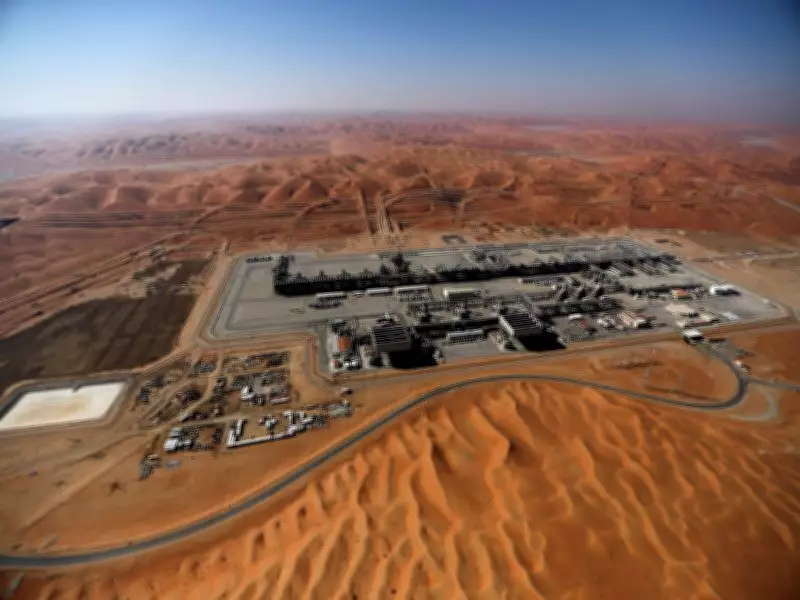
Saudi Air Defenses Thwart Major Drone Assault on Shaybah Oil Field
In a significant security development, Saudi Arabia's air defense systems have successfully intercepted and neutralized a wave of 16 drones that were targeting the Shaybah oil field. This incident marks the latest in a series of attacks aimed at the kingdom's critical energy infrastructure, underscoring the persistent volatility in the region.
Details of the Attack and Response
The attack occurred as part of a fresh wave of hostilities, with the drones launched towards the Shaybah facility, which is a key oil production site located in the eastern part of Saudi Arabia. Saudi authorities reported that their air defenses were activated promptly, managing to destroy all 16 drones before they could cause any damage to the oil field or its operations.
This successful interception prevented potential disruptions to oil production and averted what could have been a major environmental and economic disaster. The Shaybah oil field is renowned for its substantial output, playing a crucial role in Saudi Arabia's oil exports and the global energy market.

Context and Regional Implications
The attack comes amid ongoing tensions in the Middle East, where Saudi Arabia has frequently been targeted by drone and missile strikes, often linked to conflicts involving regional adversaries. While no group has immediately claimed responsibility for this specific incident, such attacks are commonly associated with Houthi rebels in Yemen, who have previously launched similar assaults on Saudi infrastructure.
This event highlights the increasing use of drone technology in modern warfare, posing new challenges for defense systems worldwide. It also raises concerns about the security of oil facilities, which are vital not only for Saudi Arabia's economy but also for global energy stability.
Impact on Oil Markets and Security Measures
In response to the attack, Saudi officials have reiterated their commitment to bolstering air defense capabilities and protecting key assets. The kingdom has invested heavily in advanced defense systems, including Patriot missiles and other technologies, to counter such threats.
- The interception demonstrates the effectiveness of these measures in safeguarding critical infrastructure.
- It also serves as a reminder of the ongoing risks to oil supply chains in the region.
- Global oil markets are closely monitoring such incidents, as any significant disruption could lead to price volatility.
Looking ahead, Saudi Arabia is likely to continue enhancing its defensive strategies, while diplomatic efforts to address regional conflicts remain a priority. This attack underscores the need for international cooperation in combating asymmetric threats and ensuring energy security.