

Saudi Arabia Condemns Iran's Gulf Attacks, Warns of Potential Military Action
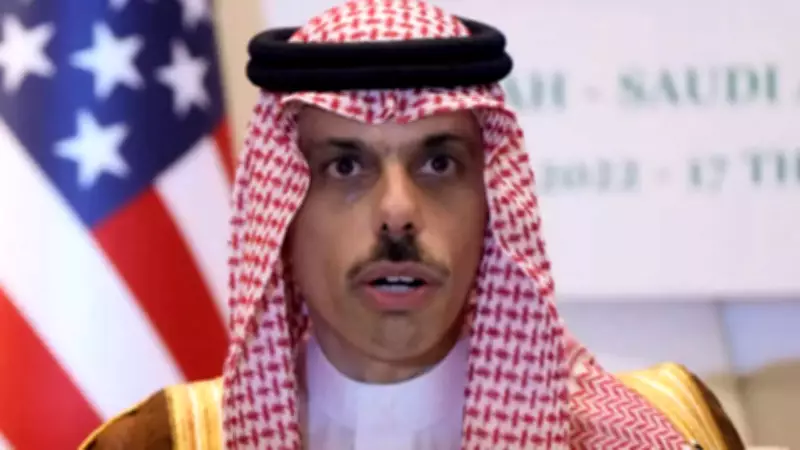
Saudi Arabia's Foreign Minister, Prince Faisal bin Farhan, declared on Thursday that the "little trust" Iran had painstakingly rebuilt with its Arab neighbors is now "completely shattered" following a series of aggressive attacks across the Gulf region. This stern statement was delivered in Riyadh after an emergency meeting of Arab nations convened to address the severe regional escalation, highlighting the growing tensions in the Middle East.
Escalation and Response
Prince Faisal emphasized that Saudi Arabia's patience with Iranian aggression is "not unlimited," underscoring the Kingdom's firm stance. He expressed a singular focus on ending the attacks targeting Saudi Arabia and neighboring countries not involved in the conflict, stating, "What I care about now is that the attacks on my country and on my neighbouring countries, that are not involved in this conflict, end. That's all I'm interested in." He further warned that Riyadh would utilize all possible means to respond, asserting, "The Kingdom is not going to succumb to pressure, and we reserve the right to take military actions if necessary."
Premeditated Attacks and Regional Impact
The Saudi Foreign Minister described the attacks as appearing to have been meticulously planned, labeling them a deliberate escalation. "Iran's attacks on neighbouring countries were premeditated," he said, pointing to a calculated strategy behind the assaults. Since February 28, Iran has launched missiles and drones targeting Saudi Arabia and other Gulf nations, including the United Arab Emirates, Kuwait, Bahrain, and Qatar. Iran has justified these strikes as retaliatory measures against US-Israeli attacks within its territory.

Defensive Measures and Energy Threats
Saudi Arabia reported that four ballistic missiles were fired towards Riyadh on Wednesday, all of which were successfully intercepted by its defense systems. The Kingdom has intercepted hundreds of drones and dozens of missiles aimed at its territory in recent weeks, showcasing its robust defensive capabilities. Additionally, Prince Faisal revealed that two oil refineries in Saudi Arabia were attacked, characterizing these strikes on critical energy facilities as "a blatant attempt at blackmail," which could destabilize global energy markets.
Broader Context and International Reactions
The ongoing conflict has drawn international attention, with reports indicating that Israel notified the United States ahead of a strike at the world's largest South Pars gas field, though Washington opted out of participation. In a significant diplomatic move, Qatar expelled Iranian military, security attachés, and staff following strikes on key energy facilities, further isolating Iran in the region. These developments underscore the complex geopolitical dynamics at play, with Arab nations rallying to counter Iranian aggression while navigating alliances with global powers like the US and Israel.
The situation remains volatile, with Saudi Arabia's warning of potential military action signaling a readiness to escalate if attacks persist. The shattered trust between Iran and its Arab neighbors poses a significant challenge to regional stability, as diplomatic efforts struggle to contain the fallout from these coordinated assaults.






