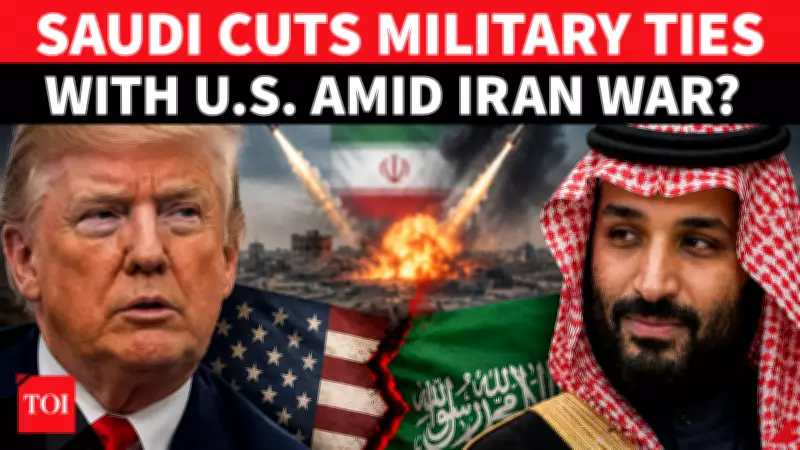
A dramatic diplomatic twist unfolded in the Gulf as reports emerged that Saudi Arabia restricted U.S. access to its bases and airspace, disrupting President Donald Trump’s plan to escort ships through the Strait of Hormuz under “Project Freedom.” Initial reports suggested Riyadh’s resistance forced Washington to pause the operation, pushing the White House toward urgent diplomacy with Tehran. A Saudi source later pushed back, saying the Kingdom did not authorize its airspace for offensive missions but continues regular defense cooperation with the U.S.
Background of the Tensions
The United States had been escalating its military posture in the region following a series of confrontations with Iran. The plan, dubbed “Project Freedom,” aimed to ensure safe passage for commercial vessels through the strategic Strait of Hormuz, a critical chokepoint for global oil shipments. However, Saudi Arabia’s decision to deny offensive use of its bases has significantly complicated Washington’s strategy.
Riyadh's Official Stance
A Saudi official clarified that the Kingdom remains committed to its defense partnership with the United States but draws a clear line against being drawn into offensive operations. “Saudi Arabia will not allow its territory to be used for launching attacks against any country,” the source stated. This position aligns with Riyadh’s broader efforts to de-escalate tensions in the region and avoid being entangled in a direct conflict with Iran.

Impact on US-Iran Dynamics
The restriction has forced the White House to reconsider its approach. Reports indicate that Washington is now pursuing diplomatic channels with Tehran to find a negotiated solution. The pause in military operations provides a window for dialogue, though both sides remain wary of each other’s intentions. Iran has welcomed the development but insists on guarantees that its sovereignty will be respected.
Reactions from Other Gulf States
Other Gulf nations are closely watching the situation. Kuwait and the United Arab Emirates have also expressed reservations about hosting offensive operations, reflecting a growing sentiment among regional allies to avoid being drawn into a US-Iran war. This collective stance could reshape the geopolitical landscape in the Middle East.
Looking Ahead
The coming days will be critical as the US seeks to balance its security commitments with the need for regional stability. The Trump administration faces pressure from domestic critics who argue that the policy of maximum pressure on Iran has backfired. Meanwhile, Iran has signaled readiness for talks but insists on the lifting of sanctions as a precondition. The outcome of these developments will have far-reaching implications for global energy markets and security in the Gulf.