

Saudi Arabia and Iran Accelerate Oil Production Amid Escalating Tensions
In a significant development that underscores growing geopolitical instability, both Saudi Arabia and Iran are rapidly ramping up their oil production and export activities. This strategic move comes amid heightened fears of potential military conflict and energy supply disruptions in the volatile Persian Gulf region.
Iran's Surge in Oil Shipments as U.S. Strike Fears Mount
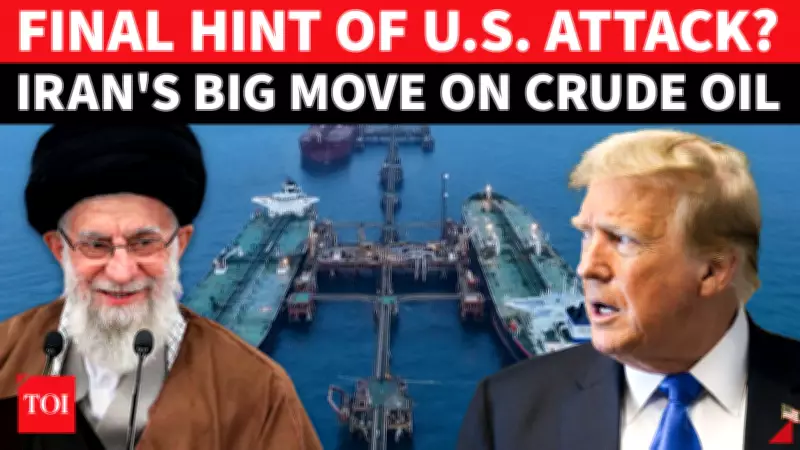
Data from maritime tracking sources reveals that Iran has dramatically increased its oil shipments in recent weeks. Tanker activity around Kharg Island, the nation's primary oil export terminal, has surged to unprecedented levels. Exports from this critical facility have nearly tripled compared to previous months, indicating a clear preparation for possible supply chain interruptions.
Kharg Island represents a crucial vulnerability in Iran's energy infrastructure, handling the majority of the country's oil exports. Military analysts consider it a prime strategic target should hostilities escalate with the United States or regional adversaries.

Energy market observers suggest Tehran is rushing to secure vital revenue streams and preempt potential embargoes or blockades that could cripple its economy if open conflict breaks out. This export acceleration coincides with deteriorating diplomatic relations between Iran and the United States, fueling concerns about a broader Middle East crisis.
Saudi Arabia's Parallel Production Increases
Meanwhile, Saudi Arabia has also been quietly boosting its own oil output capacity. While less dramatic than Iran's export surge, Riyadh's production increases signal a regional trend of energy stockpiling and market positioning ahead of potential disruptions.
The simultaneous production boosts from these two major OPEC members, despite their historical rivalry, highlights the shared concern across the Gulf about impending instability. Both nations appear to be implementing contingency plans to maintain revenue flows and global market share regardless of how tensions evolve.
Broader Implications for Global Energy Markets
The coordinated production increases have several important implications:
- Short-term price volatility: While increased supply typically lowers prices, the underlying geopolitical risks are creating uncertainty that could drive prices in either direction.
- Strategic stockpiling: Both nations appear to be building reserves that could be crucial if export routes become compromised.
- Market positioning: By increasing production now, Saudi Arabia and Iran may be attempting to secure customer loyalty before potential disruptions alter global supply patterns.
- Regional security concerns: The heightened tanker traffic in the Persian Gulf increases the risk of accidental confrontations or targeted attacks on energy infrastructure.
Energy analysts warn that while the immediate effect is increased oil availability, the longer-term outlook remains precarious. Any military escalation involving either nation could quickly reverse these production gains and trigger significant supply shortages. The situation represents a delicate balancing act between economic pragmatism and geopolitical brinkmanship that will likely define energy markets throughout 2026.






