

Sri Lanka Issues Warning on Middle East Conflict's Global Impact
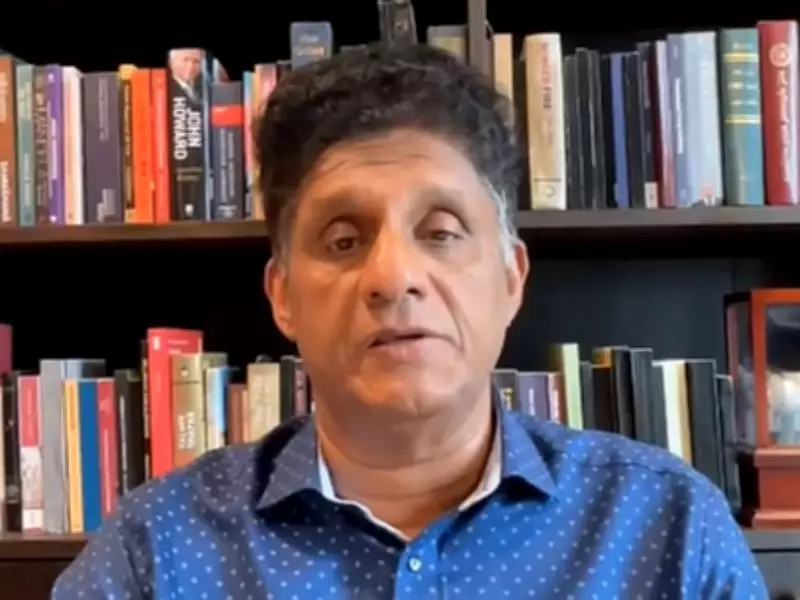
Sri Lanka has raised serious concerns about the escalating conflict in the Middle East, emphasizing that it poses a direct threat to international peace and security. In a recent statement, Foreign Minister Ali Sabry highlighted the urgent need for global attention and collaborative efforts to address the situation.
Foreign Minister's Statement on Security Threats
Ali Sabry, Sri Lanka's Foreign Minister, stated that the ongoing turmoil in the Middle East is not just a regional issue but has far-reaching implications for global stability. He pointed out that such conflicts can lead to widespread humanitarian crises, economic disruptions, and increased geopolitical tensions worldwide.
The minister urged the international community to prioritize diplomatic solutions and work towards de-escalation. He emphasized that without immediate action, the conflict could spiral into a larger threat, affecting peace and security on a global scale.

Call for International Cooperation
Sri Lanka has called for enhanced cooperation among nations to mitigate the risks associated with the Middle East conflict. The country advocates for dialogue and peaceful negotiations as the primary means to resolve disputes and prevent further escalation.
- Promotion of diplomatic initiatives to foster peace.
- Support for humanitarian aid to affected regions.
- Encouragement of multilateral forums for conflict resolution.
This stance aligns with Sri Lanka's broader foreign policy objectives, which focus on maintaining regional and global harmony.
Implications for Global Security
The warning from Sri Lanka underscores the interconnected nature of modern conflicts. As a nation with experience in post-conflict recovery, Sri Lanka understands the long-term consequences of prolonged hostilities and the importance of preventive measures.
Experts suggest that the Middle East conflict could impact international trade, energy supplies, and migration patterns, thereby destabilizing other regions. Sri Lanka's intervention highlights the need for a unified global response to such crises.
In conclusion, Sri Lanka's message serves as a reminder that in today's interconnected world, regional conflicts can quickly become global threats, necessitating prompt and coordinated action from the international community.






