

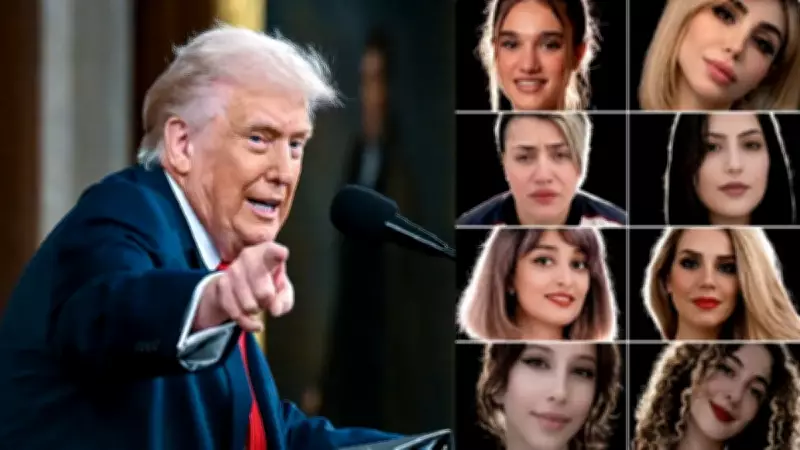
Trump Asserts Iran Halted Execution of Eight Women Protesters Following His Request
Former United States President Donald Trump has publicly claimed that the Iranian government halted the planned execution of eight women protesters in response to his direct request. This assertion comes amid ongoing and heightened tensions in the Middle East region, drawing significant international attention to human rights issues and diplomatic interventions.
Details of the Claim and Regional Context
In a recent statement, Trump detailed that he made a personal appeal to Iranian authorities to stop the executions, which he stated were imminent. The eight women were reportedly involved in protest activities within Iran, though specific details about the nature of their protests or the charges against them were not fully disclosed in Trump's remarks. This development occurs against a backdrop of persistent geopolitical strife and conflict in the Middle East, where Iran's internal policies and international relations remain a focal point of global scrutiny.
The Iranian government has not officially confirmed or denied Trump's claim at this time, leaving the veracity of the intervention unverified by independent sources. However, the allegation underscores the complex web of diplomatic channels and backdoor negotiations that often characterize international relations, especially involving nations with historically strained ties like the United States and Iran.

Implications for Human Rights and Diplomacy
This incident brings to the forefront critical concerns regarding human rights and the treatment of protesters in Iran. Advocacy groups have long criticized Iran for its harsh penalties against dissent, including the use of capital punishment for protest-related offenses. Trump's claim, if substantiated, could represent a rare instance of successful external pressure influencing Iranian judicial processes, potentially setting a precedent for future diplomatic efforts in human rights advocacy.
Analysts suggest that such claims, whether verified or not, can impact international perceptions and policy decisions. They may affect ongoing negotiations, sanctions, and bilateral relations between the US, Iran, and other global powers involved in Middle Eastern affairs. The timing is particularly sensitive, given the region's volatile security environment and ongoing conflicts that demand careful diplomatic maneuvering.
Broader Middle East Tensions and Global Reactions
The claim is embedded within wider Middle East tensions, which include issues such as nuclear proliferation, regional proxy wars, and economic sanctions. These factors contribute to a climate of instability, where any assertion of diplomatic influence can have ripple effects. Global reactions to Trump's statement have been mixed, with some observers expressing skepticism and others viewing it as a potential breakthrough in leveraging international pressure for humanitarian causes.
- Human Rights Focus: Highlights the ongoing struggle for civil liberties and protest rights in Iran.
- Diplomatic Dynamics: Illustrates the role of former leaders and unofficial channels in international diplomacy.
- Regional Stability: Connects to broader security concerns and conflict resolution efforts in the Middle East.
In summary, Donald Trump's claim that Iran halted the execution of eight women protesters at his request adds a new layer to the complex narrative of Middle East tensions. It raises questions about the efficacy of diplomatic interventions, the state of human rights in Iran, and the evolving landscape of international relations in a region fraught with challenges. As developments unfold, further verification and responses from involved parties will be crucial in understanding the full implications of this assertion.






